Novus Ordo Mass vs Traditional Latin Mass

In the sacred sanctuary, where the veil between heaven and earth grows thin, the Holy Sacrifice of the Mass remains the very heart of Catholic worship—the unbloody renewal of Calvary, offered for the glory of the Most Holy Trinity and the salvation of souls. For nearly two millennia, the ancient Roman Rite, crystallized in the Traditional Latin Mass (TLM) by the Council of Trent and solemnly codified by Pope St. Pius V in 1570, nourished the faithful, formed saints, and preserved the Faith in its doctrinal purity and liturgical splendor.
Yet since the Second Vatican Council, many devout Catholics have prayerfully examined the Novus Ordo Mass vs Traditional Latin Mass—the Ordinary Form promulgated by Pope Paul VI in 1969. As traditional Catholics, we affirm the validity of the Novus Ordo when celebrated with proper matter, form, and intention, for Holy Mother Church herself guarantees the Real Presence of Our Lord Jesus Christ in every valid Eucharist. Nevertheless, with filial obedience to the Magisterium and unwavering fidelity to the perennial teachings of the Church Fathers, the Council of Trent, and the Catechism of the Catholic Church, we must honestly confront the critique of the Novus Ordo, the Ordinary Form Roman Rite problems observed in practice, and the profound reasons so many souls are drawn to return to the Traditional Latin Mass.
This reflection explores the Novus Ordo Mass vs Traditional Latin Mass through the lens of sacred Scripture, the writings of the saints, and the unchanging doctrine of the Faith. We draw upon Sacrosanctum Concilium, the General Instruction of the Roman Missal (GIRM), and the lived fruits of Tradition, always seeking greater reverence, doctrinal clarity, and intimate union with the Crucified Lord.
Historical Context: Vatican II Liturgical Reform and the Birth of the Novus Ordo
The Constitution on the Sacred Liturgy (Sacrosanctum Concilium, 1963) expressed the Council Fathers’ desire for “full, conscious, and active participation” while preserving the “substance of the ancient traditions.” Yet the implementation far exceeded the modest revisions envisioned. On April 3, 1969, Pope Paul VI promulgated the revised Missal in Missale Romanum, ushering in the Novus Ordo on the First Sunday of Advent that year.
The Traditional Latin Mass, rooted in apostolic times and protected by St. Pius V’s Quo Primum, embodied organic development. The swift introduction of vernacular language, simplified rubrics, multiple Eucharistic Prayers, and revised lectionary marked a rupture in the eyes of many traditional Catholics, leading to widespread liturgical changes after Vatican II that, while licit, have produced concerning fruits in practice.
Core Differences: Novus Ordo Mass vs Traditional Latin Mass
The Novus Ordo Mass vs Traditional Latin Mass debate centers not upon validity—which the Church upholds for the Ordinary Form—but upon fittingness, beauty, doctrinal emphasis, and the capacity to foster true devotion. Key distinctions include:
Priestly Orientation and Posture
In the Traditional Latin Mass, the priest celebrates ad orientem, facing the altar with the faithful, symbolizing our common pilgrimage toward the East and the risen Christ. This posture underscores the sacrificial character of the Mass. The Novus Ordo, by contrast, most often employs versus populum (facing the people), which, though permitted, can inadvertently shift focus from divine worship to human interaction.
Language and Sacred Silence
Latin, the Church’s universal and sacred tongue, veils the mysteries in the TLM, inviting contemplation. The Novus Ordo’s near-universal use of the vernacular, combined with frequent dialogue and reduced periods of silence, often diminishes the atmosphere of awe so essential to adoration.
Sacred Music and the Pride of Place of Gregorian Chant
One of the most poignant differences concerns sacred music. Sacrosanctum Concilium 116 solemnly declares: “The Church acknowledges Gregorian chant as specially suited to the Roman liturgy: therefore, other things being equal, it should be given pride of place in liturgical services.” The GIRM echoes this, affirming that Gregorian chant holds pride of place because it is proper to the Roman Liturgy.
In the Traditional Latin Mass, Gregorian Chant is not an optional adornment but the very voice of the liturgy itself. The Introit, Gradual, Alleluia, Offertory, Sanctus, Agnus Dei, and Communion antiphons flow seamlessly in the ancient melodies handed down from the Church Fathers, lifting hearts to heavenly realities and fostering profound interior participation. Polyphony and organ music further enrich the rite without displacing the chant.
In the typical Novus Ordo Mass, Gregorian Chant is rarely heard. Instead, modern hymns, folk melodies, or contemporary compositions—often accompanied by guitar or piano—predominate. This practical abandonment of the Church’s own sacred music, despite the Council’s explicit directive, has contributed to a loss of transcendence and a more secular tone in many parishes. Traditional Catholics lament this as one of the most visible Ordinary Form Roman Rite problems, for the chant unites us with the Church across the ages and disposes the soul for genuine contemplation.
The Offertory and Sacrificial Prayers
The Traditional Latin Mass features rich, explicit Offertory prayers: “Receive, O holy Father… this spotless Victim,” prayers of atonement, and the offering of the Immaculate Lamb for the living and the dead. These were largely replaced in the Novus Ordo with simpler blessings that, while valid, many traditional theologians find less emphatic regarding the propitiatory nature of the Sacrifice.
Reverence, Rubrics, and Gestures
The TLM’s precise rubrics—numerous genuflections, profound bows, signs of the cross over the oblata, and extended sacred silence—instill humility and awe. The Novus Ordo simplifies many of these, often resulting in a less solemn celebration that, in practice, can appear more casual.
Reception of Holy Communion
In the Traditional Latin Mass, the faithful kneel at the altar rail and receive Communion on the tongue from the priest alone—a practice that safeguards reverence for the Blessed Sacrament. In the Novus Ordo, Communion in the hand while standing, frequently distributed by Extraordinary Ministers of Holy Communion, has become the norm in many places. Traditional Catholics view this development with grave concern, noting the risk of profanation and the diminished sense of the sacred that flows from the ancient discipline.
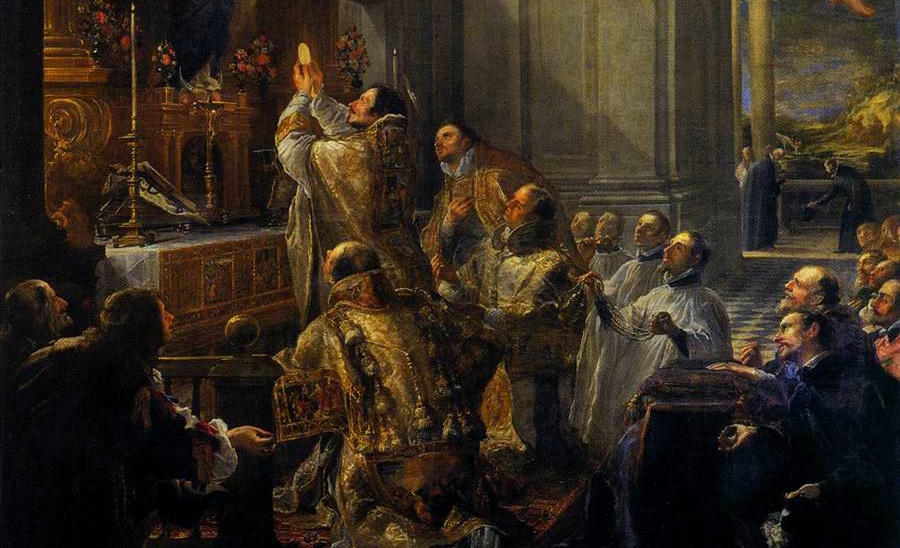
Image: The Traditional Latin Mass celebrated ad orientem at a high altar, with the priest and faithful united in offering the Holy Sacrifice.
Theological Foundations: The Mass as Sacrifice of Calvary
The Council of Trent (Session XXII) infallibly defined the Mass as “a true and propitiatory sacrifice” identical in substance to the Cross. The Traditional Latin Mass renders this reality unmistakable through its structure, prayers, and gestures. The Novus Ordo, while containing sacrificial language in the Eucharistic Prayers, tends in practice to emphasize the “communal banquet” aspect—an emphasis that, though pastorally intended, risks obscuring the awe-inspiring truth that every Mass makes present the one Sacrifice of Calvary (cf. Malachi 1:11).

Image: Artistic depiction of the Holy Sacrifice of the Mass as the unbloody renewal of Calvary, the eternal offering of Our Lord.
Observed Fruits and the Urgent Call to Return to Tradition
Traditional Latin Mass communities consistently demonstrate vibrant faith: higher belief in the Real Presence, flourishing families, thriving vocations, and unshakeable orthodoxy. By contrast, the decades following the Novus Ordo have seen alarming declines in Mass attendance, belief in the Eucharist, and priestly vocations in the West—fruits that traditional Catholics prayerfully attribute in large measure to the liturgical changes after Vatican II.
Pope Benedict XVI’s Summorum Pontificum (2007) recognized the enduring value of the ancient rite, declaring it never abrogated. Many faithful have found in the TLM a deeper encounter with Christ.

Image: A Novus Ordo celebration illustrating the Ordinary Form as commonly experienced in many parishes.
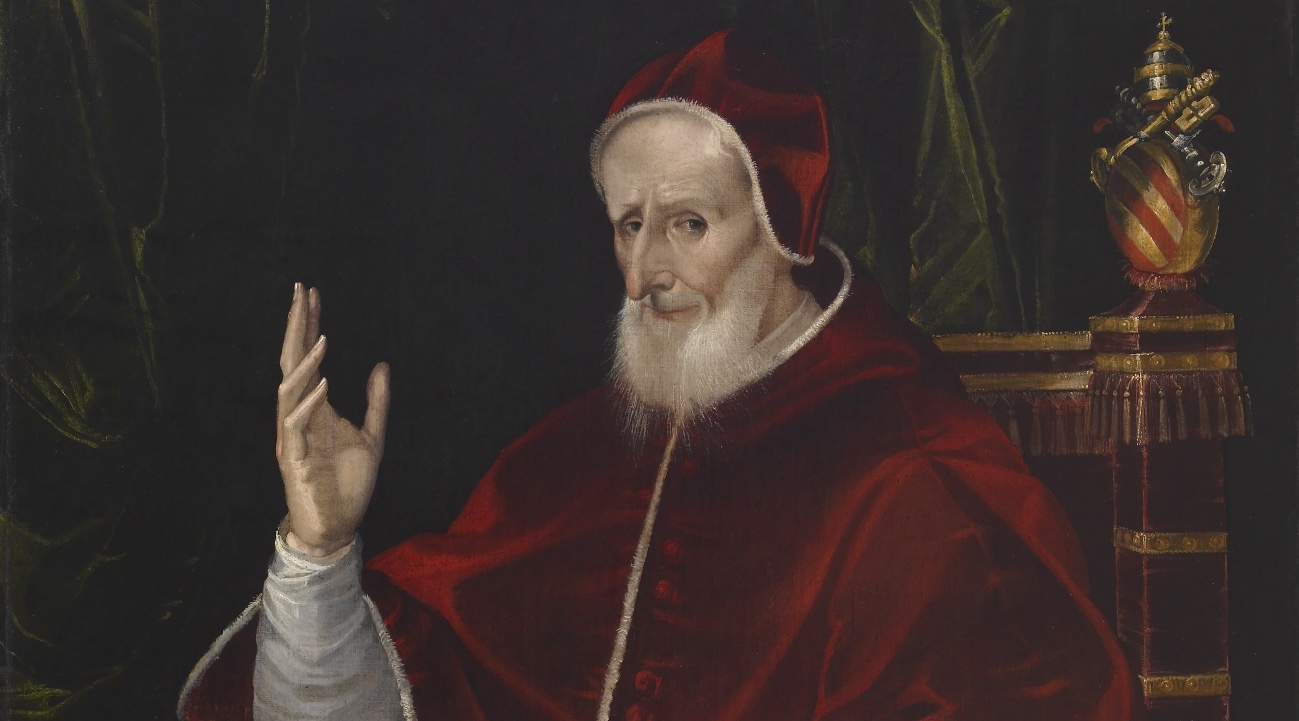
Image: Portrait of Pope St. Pius V, who preserved the Traditional Roman Rite for all ages.
The Enduring Sanctifying Power of the Traditional Latin Mass
The Traditional Latin Mass, with its Gregorian Chant, sacred silence, and timeless rubrics, forms souls in humility, adoration, and love for the Cross. It invites us to lose ourselves in the mysteries rather than remain centered on self.
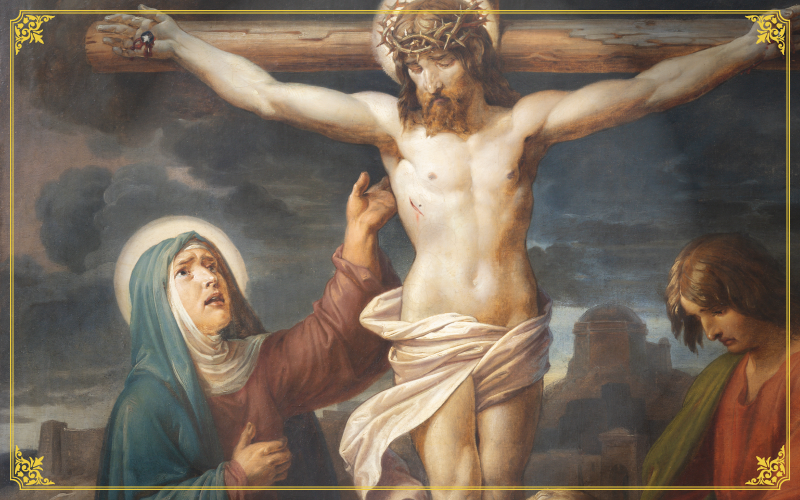
Image: Our Lady at the foot of the Cross, uniting every Mass to the supreme act of redemptive love.

Image: Faithful united in the Traditional Latin Mass, offering the Holy Sacrifice with profound reverence.
A Pious Call to Action: Seek the Ancient Rite
Dear reader, if the Novus Ordo is all you have known, I humbly invite you, out of love for Our Lord and fidelity to Tradition, to seek out a Traditional Latin Mass. Allow its sacred prayers, Gregorian Chant, and reverent silence to speak to your soul. You may discover, as countless souls have, a deeper union with the living God.
Entrust this journey to the Immaculate Heart of Mary. Pray the Holy Rosary daily. Frequent the Sacraments. Offer sacrifices for the full restoration of the sacred liturgy so that every Catholic may worship in spirit and in truth.
May the Most Holy Trinity be glorified in the worthy celebration of the Mass. St. Pius V, St. Gregory the Great, and all the saints of the Roman Rite—pray for us!