The St. Jude Novena: Prayer for Hopeless Cases
In the midst of life's most harrowing trials, when earthly remedies fail and despair threatens to overwhelm the soul, the faithful turn to the intercession of the saints, those glorious witnesses who have gone before us in the race toward eternal life (Hebrews 12:1). Among these heavenly advocates stands St. Jude Thaddeus, the Apostle revered as the patron of hopeless causes and desperate situations. The St. Jude Novena, a nine-day prayer of profound devotion, embodies the Catholic tradition of seeking divine aid through the saints' powerful intercession, as taught in the Catechism of the Catholic Church (CCC 956), which affirms that the saints "do not cease to intercede with the Father for us." This blog post explores the timeless St. Jude Prayer, the history of this Catholic devotion to St. Jude, and practical guidance on praying the Novena to St. Jude, all rooted in sacred Scripture, the writings of the Church Fathers, and authoritative Church teachings. Through this miracle prayer to St. Jude, may readers find renewed hope and spiritual fortitude, drawing closer to Our Lord Jesus Christ.
Who is St. Jude Thaddeus?
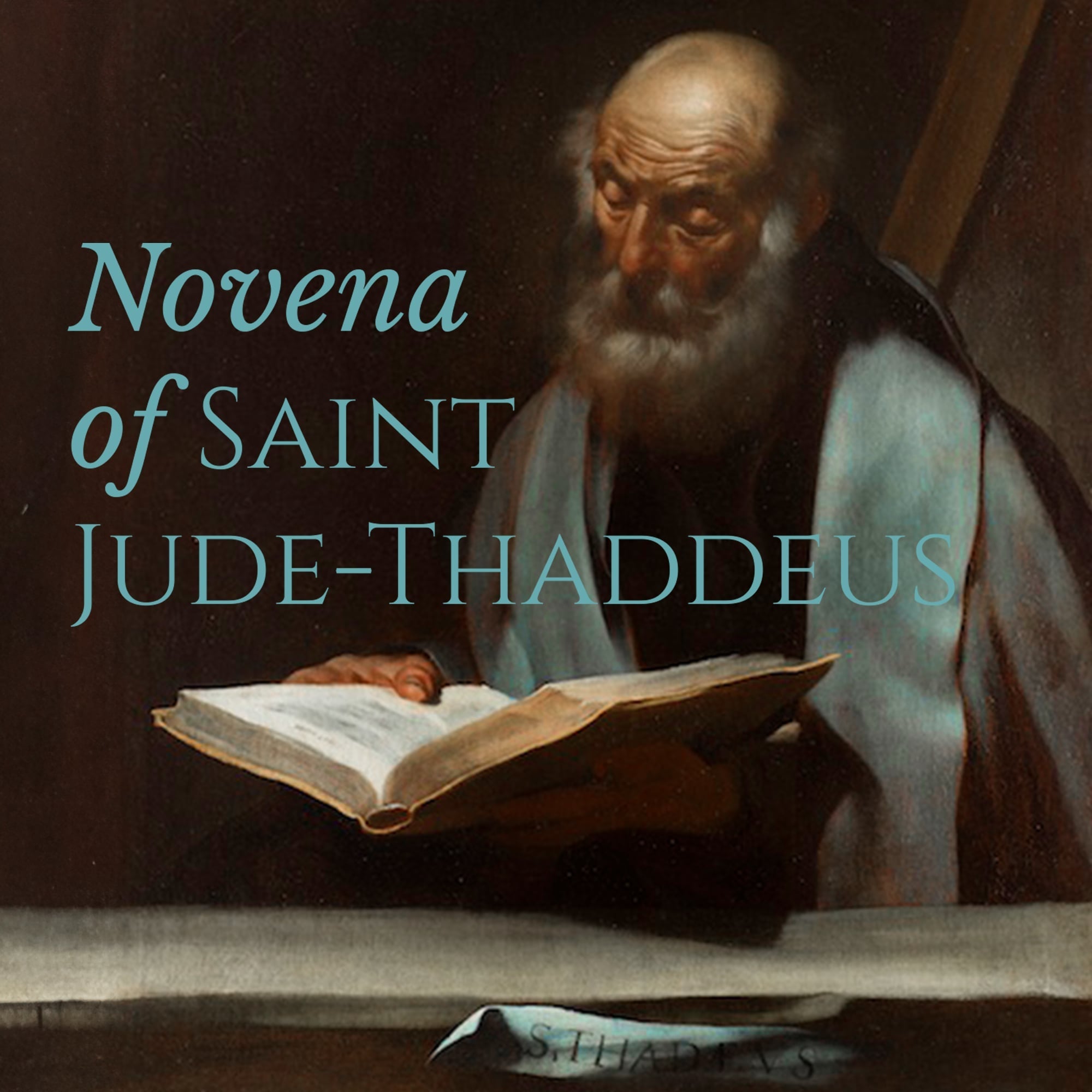
St. Jude Thaddeus, one of the Twelve Apostles chosen by Our Lord Himself, holds a special place in the hearts of the faithful as the patron of impossible cases. Sacred Scripture identifies him as "Jude, the brother of James" (Luke 6:16; Acts 1:13), and he is also called Thaddeus (Matthew 10:3; Mark 3:18), a name meaning "courageous heart" or "generous." According to the Catholic Encyclopedia, Jude was likely the brother of St. James the Less, the Bishop of Jerusalem, and a relative of Our Lord, being the son of Clopas and Mary, cousin to the Blessed Virgin. Biblical scholars affirm that St. Jude was a son of Clopas, with his mother Mary being the Virgin Mary's cousin, placing him within the holy family circle.
Born in Galilee around the first century, St. Jude spoke Greek and Aramaic and worked as a farmer before answering Christ's call. He is distinguished from Judas Iscariot, the betrayer, and his nickname "Thaddeus" may have arisen to avoid confusion after the betrayal. The Epistle of St. Jude in the New Testament, attributed to him, warns early Christians against false teachers and urges perseverance in faith amid persecution (Jude 1:3-4). This short but powerful letter reflects his apostolic zeal, exhorting believers to "build yourselves up on your most holy faith; pray in the Holy Spirit" (Jude 1:20).
After Pentecost, filled with the Holy Spirit, St. Jude preached the Gospel in Judea, Samaria, Idumaea, Syria, Mesopotamia, and Libya. Tradition holds that he traveled to Persia with St. Simon the Apostle, where both were martyred around 65 A.D.—St. Jude clubbed to death, hence his iconographic attribute of a club. His relics were later brought to Rome and enshrined in St. Peter's Basilica. St. Jude's unwavering faith and martyrdom exemplify the virtue of fortitude, reminding us that even in desperate situations, God's grace prevails.

The History of Devotion to St. Jude and the Novena
Devotion to St. Jude Thaddeus, while ancient, gained widespread popularity in the modern era as a beacon for those in hopeless causes. Early Church Fathers like St. Jerome referenced Jude in their writings, identifying him as an Apostle and author of the Catholic Epistle. In the Middle Ages, saints such as St. Bernard of Clairvaux and St. Bridget of Sweden venerated him, but public devotion surged in the 19th and 20th centuries, particularly among immigrants facing economic hardships during the Great Depression and World Wars.
The National Shrine of St. Jude in Chicago, established in 1929 by the Claretian Missionaries, played a pivotal role in promoting this Catholic devotion to St. Jude. The first solemn novena there drew immense crowds, leading to its canonical erection by the Holy See. By the 20th century, St. Jude became universally invoked for intercession in desperate situations, with novenas—a nine-day prayer echoing the Apostles' wait for the Holy Spirit (Acts 1:14)—becoming a staple. This practice aligns with Church tradition, as Pope Francis noted in a general audience: the saints "contemplate God, praise him and constantly care for those whom they have left on earth," their intercession being "their most exalted service to God’s plan" (CCC 2683).
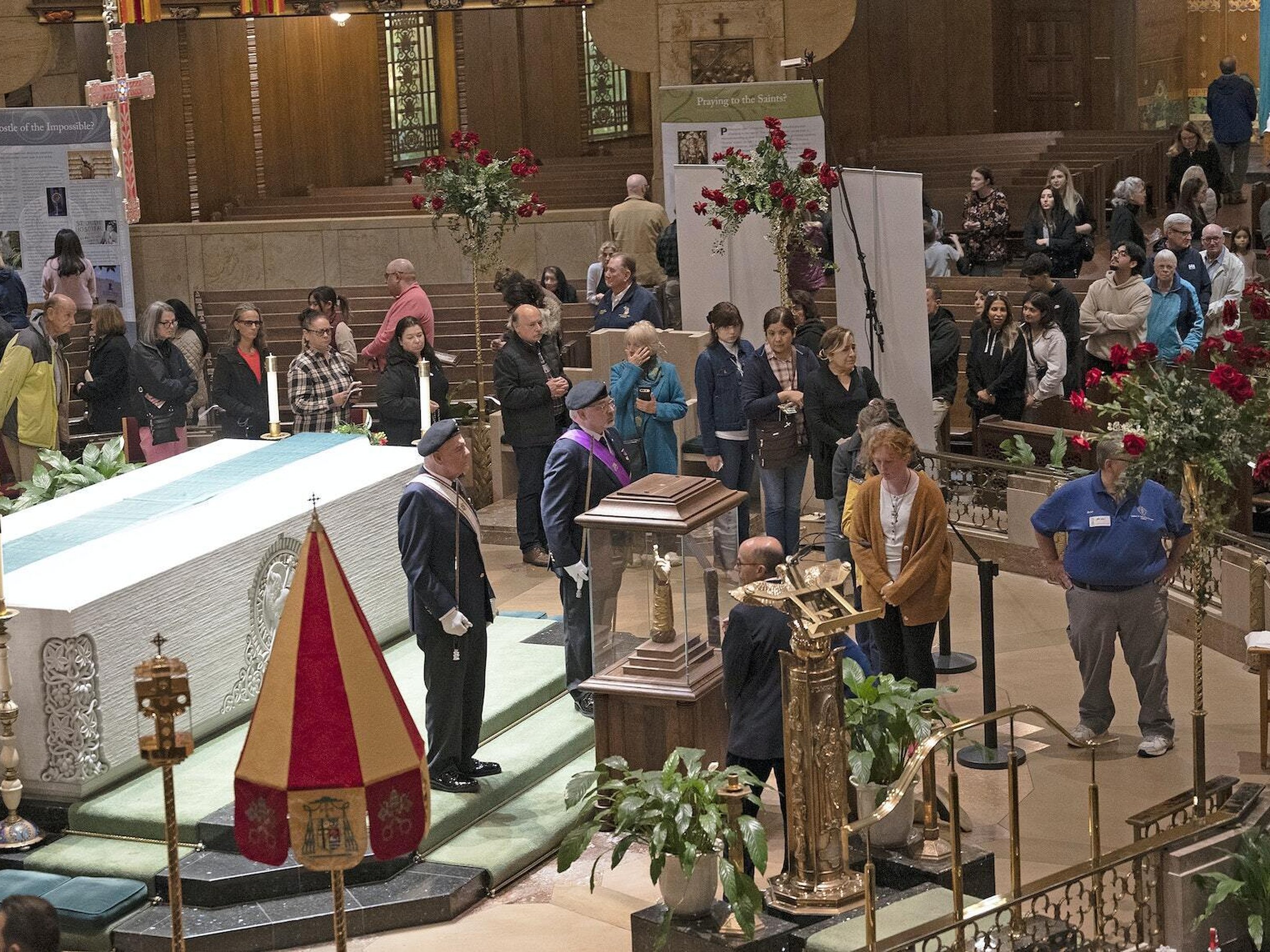
In recent times, relics of St. Jude have toured the United States, drawing thousands to venerate him and seek his aid in tribulations. This history underscores the enduring power of the intercession of St. Jude, rooted in the Communion of Saints, where the faithful on earth unite with those in heaven in prayer (CCC 946-962).

The Traditional St. Jude Prayer and Novena
At the heart of this devotion lies the Novena to St. Jude, a miracle prayer to St. Jude that invokes his aid in hopeless causes. The traditional prayer, as preserved by the Eternal Word Television Network (EWTN), is as follows:
"Most holy Apostle, St. Jude, faithful servant and friend of Jesus, the Church honors and invokes you universally, as the patron of difficult cases, of things almost despaired of. Pray for me, I am so helpless and alone. Intercede with God for me that He bring visible and speedy help where help is almost despaired of. Come to my assistance in this great need that I may receive the consolation and help of heaven in all my necessities, tribulations, and sufferings, particularly—(make your request here)—and that I may praise God with you and all the saints forever. I promise, O Blessed St. Jude, to be ever mindful of this great favor granted me by God and to do my utmost to spread your devotion. Amen."
This St. Jude Prayer draws from the saint's apostolic legacy, emphasizing humility and trust in divine providence. Variations exist, such as those from Pray More Novenas, which include daily intentions building faith, hope, and love. The novena structure reflects the nine days the Apostles spent in prayer before Pentecost, fostering perseverance as exhorted by Pope Leo XIII in his encyclicals on prayer, urging the faithful to "pray without ceasing" (1 Thessalonians 5:17).

How to Pray the St. Jude Novena
Praying the Novena to St. Jude is a simple yet profound act of Catholic devotion, designed for those in desperate situations. Begin on any day, ideally leading up to his feast on October 28, but it may be offered anytime. Each day, recite the St. Jude Prayer, state your specific intention (e.g., healing, financial aid, or spiritual strength), and meditate on a Scripture passage from the Epistle of Jude, such as verse 20-23, which calls for building up in faith and snatching others from fire through mercy.
Light a candle or visit a shrine if possible, invoking the intercession of St. Jude with reverence. The Church encourages such practices, as the Second Vatican Council affirmed that devotion to saints inspires us to seek the heavenly city (Lumen Gentium 50). Conclude each day with the Our Father, Hail Mary, and Glory Be, uniting your plea with the universal Church. Over nine days, this disciplined prayer cultivates virtue, transforming despair into hope through God's grace.
For added depth, incorporate quotes from Church Fathers like St. Jerome, who praised Jude's epistle for its doctrinal purity. Remember, the efficacy lies not in magic but in faith: "Ask, and it will be given to you" (Matthew 7:7).
Scriptural and Doctrinal Foundations of Intercession
The practice of seeking the intercession of St. Jude is firmly grounded in Catholic teaching. Sacred Scripture reveals that the saints in heaven intercede for us, as in Revelation 5:8, where elders offer prayers of the holy ones like incense before God. The Church Fathers, including St. Augustine, affirmed this, noting that the departed saints pray for the living. The Catechism teaches: "We can and should ask [the saints] to intercede for us and for the whole world" (CCC 2683), emphasizing the Communion of Saints where all members of Christ's Body aid one another.
Papal encyclicals, such as those of Pope Leo XIII on the Rosary, stress perseverance in prayer, aligning with St. Jude's epistle against moral laxity. This doctrinal richness assures that the Novena to St. Jude is not superstition but a means to deepen union with Christ, fostering moral virtue and eternal perspective.
Miracles and Testimonies Through St. Jude's Intercession
Throughout history, countless faithful have reported miracles attributed to the intercession of St. Jude in hopeless causes. From healings of incurable illnesses to resolutions of dire financial woes, these graces echo the story of King Abgar, whom tradition says was cured by an image of Christ brought by St. Jude. In modern times, devotees at shrines like Chicago's National Shrine share testimonies of answered prayers during novenas, reinforcing faith amid trials.
While the Church cautions against seeking signs without faith (Matthew 12:39), these accounts inspire hope, as St. Jude's martyrdom testifies to God's power over impossibility. As Pope Francis teaches, the saints' intercession forms a "mysterious solidarity" with us pilgrims on earth.

Embracing Hope Through the St. Jude Novena
In conclusion, the St. Jude Novena stands as a testament to the Catholic Church's timeless wisdom: in desperate situations, turn to the saints who, united with Christ, intercede for our needs. Rooted in Scripture (Jude 1:20-23), the Catechism (CCC 956, 2683), and papal teachings, this devotion fosters spiritual growth and moral virtue, leading souls to sanctity.
Dear reader, if you face hopeless causes, commence the Novena to St. Jude with a contrite heart. Offer your St. Jude Prayer daily, seek the sacraments, and trust in God's mercy. May the intercession of St. Jude Thaddeus draw you nearer to Our Lord Jesus Christ, the source of all hope. As the Apostle exhorts, "Keep yourselves in the love of God" (Jude 1:21). Amen.