
Discovering the Basics of Christianity: Faith, History, and Devotion

In the quiet moments of reflection, one cannot help but marvel at the profound mystery of God's love revealed through His Son, Jesus Christ. This divine revelation calls each soul to a deeper union with the Creator, guiding us toward eternal life. In exploring the basics of Christianity, we uncover a timeless faith that shapes our existence, rooted in sacred Scripture and the life of Christ Himself. This journey invites us to embrace Christian faith teachings, understand the history of Christianity, partake in the sacraments, engage in Christian prayer practices, honor the Bible and Christianity's profound connection, venerate saints in Christian tradition, adhere to Christian moral theology, and foster devotion to Jesus Christ for true spiritual growth.
The Basics of Christianity: Faith in Jesus Christ
At the heart of Christianity lies an unshakeable faith in Jesus Christ as the Son of God and Savior of humanity. This faith is not merely intellectual assent but a transformative relationship with the Divine, where believers are called to follow Christ's example of love and sacrifice. Sacred Scripture teaches that "God so loved the world that he gave his only Son, so that everyone who believes in him might not perish but might have eternal life" (John 3:16). Through this belief, individuals are invited into a covenant of grace, where sin is forgiven and new life begins.
Christianity basics emphasize the Triune God—Father, Son, and Holy Spirit—as the foundation of all existence. The profession of faith, as articulated in the Creed, summarizes these essential truths, affirming Christ's Incarnation, death, Resurrection, and Ascension. This faith fosters a life of virtue, where love for God and neighbor becomes the guiding principle, leading souls toward sanctity.

The History of Christianity: From Incarnation to Pentecost
The history of Christianity begins with the Incarnation of Christ, when the Word became flesh and dwelt among us (John 1:14). Born in Bethlehem around 4-6 B.C., Jesus' public ministry proclaimed the Kingdom of God, culminating in His Passion and Resurrection around A.D. 30-33. This pivotal event transformed His disciples, who, empowered by the Holy Spirit at Pentecost in A.D. 33, spread the Gospel from Jerusalem to the ends of the earth.
Pentecost marks the birth of the Church, where the Apostles received the Spirit's gifts to preach, baptize, and establish communities of faith. From these humble origins, Christianity grew amidst persecution, eventually becoming the faith of the Roman Empire under Constantine in the fourth century. Throughout the ages, it has endured trials, schisms, and reforms, yet remains a beacon of hope, guided by apostolic succession and the teachings of the Church Fathers.
This historical unfolding reveals God's providential plan, where the early Church's witness laid the groundwork for millennia of evangelization and spiritual renewal.
:max_bytes(150000):strip_icc()/Pope-Benedict-Baptism-Sistine-Chapel-56a106565f9b58eba4b6d62f.jpg)
Sacraments in Christianity: Channels of Divine Grace
The sacraments in Christianity are sacred rites instituted by Christ, serving as visible signs of invisible grace that sanctify the soul. There are seven: Baptism, Confirmation, Eucharist, Penance, Anointing of the Sick, Holy Orders, and Matrimony. Each imparts spiritual strength, uniting the faithful more closely to God and the Church.
Baptism, the gateway sacrament, washes away original sin and initiates one into the Christian life, symbolizing death to sin and resurrection in Christ. Confirmation strengthens this grace with the gifts of the Holy Spirit. The Eucharist, the source and summit of Christian life, is the real presence of Christ's Body and Blood, nourishing the soul for eternal life. Penance offers reconciliation, Anointing provides healing, Holy Orders consecrates ministers, and Matrimony sanctifies marital union.
These sacraments foster holiness, reminding us that grace perfects nature and draws us into divine intimacy.
Christian Prayer Practices: Fostering Union with God
Christian prayer practices are essential for nurturing a relationship with God, encompassing vocal, meditative, and contemplative forms. The Lord's Prayer, taught by Christ Himself, serves as the model, invoking God's kingdom and daily sustenance.
Among cherished devotions is the Holy Rosary, a meditative prayer contemplating Christ's mysteries through Mary's intercession. Recited with beads, it weaves Hail Marys, Our Fathers, and Glory Bes, promoting peace and spiritual growth. Eucharistic adoration invites silent communion with Christ present in the Blessed Sacrament, deepening devotion and reverence.
Daily prayer, whether in liturgy or private, aligns the heart with God's will, fostering virtues and sustaining faith amid life's trials.

The Bible and Christianity: The Inspired Word of God
The Bible and Christianity are inextricably linked, with Sacred Scripture as the inspired word of God, guiding believers in faith and morals. Comprising the Old and New Testaments, it reveals God's plan of salvation, culminating in Christ.
The Old Testament prepares for the New, with prophecies and covenants pointing to the Messiah. The Gospels recount Christ's life, teachings, death, and Resurrection, while the Epistles and Acts instruct early communities. Tradition and Scripture together transmit divine revelation, as affirmed by the Church.
Daily meditation on Scripture nourishes the soul, illuminating Christian moral theology and inspiring devotion to Jesus Christ.
Saints in Christian Tradition: Exemplars of Holiness
Saints in Christian tradition are holy men and women who exemplified heroic virtue, serving as intercessors and models for the faithful. Canonized by the Church, they reflect Christ's light in diverse ways, from martyrs like St. Stephen to confessors like St. Francis.
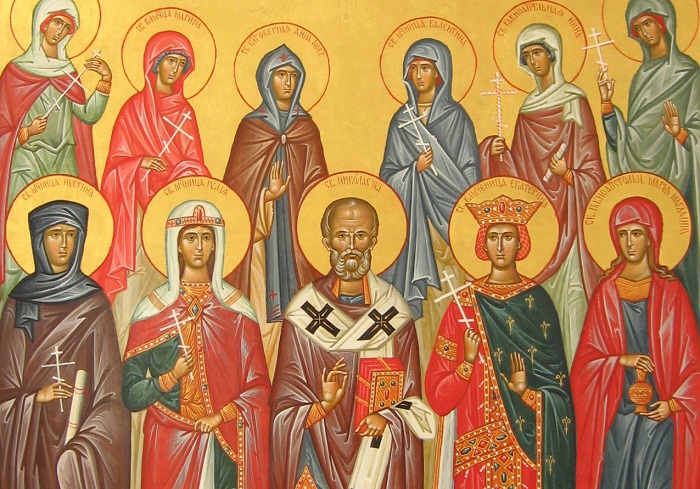
Their lives demonstrate the communion of saints, uniting heaven and earth in prayer. Veneration honors God through them, invoking their aid in trials. Icons and relics foster devotion, reminding us that sanctity is attainable through grace.
By imitating the saints, believers advance in spiritual growth, embracing Christian faith teachings with fervor.
Christian Moral Theology: Rooted in the Commandments
Christian moral theology draws from divine revelation, emphasizing love as the fulfillment of the law. The Ten Commandments provide the ethical foundation, guiding souls toward righteousness and union with God.
The first three commandments direct worship to God alone, prohibiting idolatry and honoring His name. The remaining seven foster respect for life, marriage, property, truth, and purity of heart. Christ's Sermon on the Mount elevates these, calling for interior conversion and mercy.
This theology promotes virtues like faith, hope, and charity, urging believers to live as witnesses to God's kingdom.
Devotion to Jesus Christ: The Path to Eternal Life
Devotion to Jesus Christ centers on His Sacred Heart, symbolizing infinite love and mercy. Through the Eucharist, believers encounter Christ's real presence, receiving grace for daily life.
This devotion inspires imitation of Christ's humility and obedience, as seen in His Passion. Frequent reception of the sacraments, especially the Eucharist, strengthens this bond, fostering spiritual growth and moral virtue.
In contemplating Christ's life, souls find peace and purpose, directed toward heavenly beatitude.
In conclusion, the basics of Christianity offer a profound path to holiness, illuminated by faith, history, and grace. Let us, therefore, commit to daily prayer, sacramental life, and devotion to Jesus Christ, that we may grow in love and attain the eternal joy promised to the faithful.


