How to Become Catholic: A Step-by-Step Guide to Conversion
In the contemporary spiritual environment, numerous individuals are inquiring about how to become Catholic, attracted by the Church's enduring doctrines, sacramental practices, and worldwide fellowship exceeding 1.3 billion adherents. This procedure, grounded in longstanding Christian customs, facilitates a methodical progression toward complete affiliation with the Catholic Church. Motivated by individual insight, family connections, or scholarly interest, comprehending how to become Catholic necessitates contemplation, instruction, and sacramental commencement. This detailed manual delineates the fundamental phases, incorporating adaptations for varied origins, typical obstacles, common inquiries, and pertinent assets, all derived from authenticated Church directives and methodologies.
Why Pursue Catholicism? Key Motivations and Advantages
Prior to examining the operational elements of how to become Catholic, it is prudent to evaluate the underlying incentives and merits. Catholicism underscores a deep communion with the Divine via Jesus Christ, directed by Holy Writ, Heritage, and the Teaching Authority. Converts frequently reference the scholarly profundity of Catholic doctrine, the aesthetic appeal of the worship, and the commitment to societal equity as principal draws. Data indicates that the Church integrates thousands of novel participants yearly through mature initiation initiatives, signifying heightened engagement with its perennial principles.
Merits encompass spiritual satisfaction, a nurturing fellowship, and availability to sacraments that bestow divine favor for quotidian existence. Narratives from converts regularly underscore metamorphic encounters, such as attaining serenity during ambiguity or an enhanced perception of vocation. For individuals from alternative Christian affiliations, embracing Catholicism might symbolize a reversion to the foundational origins of Christianity.
Essential Requirements for Catholic Conversion
The trajectory to become Catholic is accessible to all earnest inquirers, yet specific elemental aspects are indispensable. Chiefly, one must harbor an authentic aspiration for transformation and readiness to adopt Catholic precepts. No rigorous age stipulations exist for mature individuals, although juveniles generally adhere to familial-guided procedures. If formerly baptized within a Trinitarian Christian framework (e.g., Protestant or Orthodox), such baptism is acknowledged as legitimate, streamlining the route.
Principal requirements comprise:
- Fundamental comprehension of Christian tenets.
- Absence of barriers, such as pending prior matrimonial matters (potentially necessitating nullification).
- Dedication to continuous doctrinal development.
Engaging a cleric prematurely can elucidate any individual scenarios.
Detailed Procedure: Steps to Become Catholic
The conventional avenue for adults is the Order of Christian Initiation of Adults (OCIA), previously termed the Rite of Christian Initiation of Adults (RCIA). This curriculum, synchronized with the ecclesiastical calendar, generally extends 9-12 months and peaks at the Easter Vigil. The ensuing is an elaborated dissection of each phase.
Phase 1: Individual Contemplation and Preliminary Exploration
Commence with self-examination: What prompts your desire to become Catholic? Participate in supplication, biblical perusal, and examination of central convictions such as the Triune God, the Embodiment, and the functions of Mary and the sanctified. Materials like the Catechism of the Catholic Church or introductory texts can facilitate this stage.
Participate in Eucharistic celebrations to witness ceremonies and communal existence. This era, denoted as the Pre-Catechumenate, is casual and devoid of obligations, permitting resolution of uncertainties.
Phase 2: Engage a Local Catholic Community
Identify an adjacent community via diocesan portals or applications such as MassTimes.org. Arrange a consultation with the rector or OCIA overseer to deliberate your history—unbaptized, baptized in another creed, or dormant Catholic. This preliminary engagement evaluates preparedness and orients toward suitable curricula.
Communities frequently organize exploratory gatherings for deliberations on doctrine, ethics, and observances. Mentors—devout Catholics—might be designated to assist you.

Phase 3: Register in the OCIA Curriculum
OCIA constitutes the essence of how to become Catholic, segmented into four discrete intervals for progressive metamorphosis.
- Interval of Exploration: Investigate foundational beliefs through dialogues and interrogations. No commitments; emphasis on discernment.
- Interval of Catechesis: Rigorous instruction on Holy Writ, dogma, and principles. Attendees are labeled catechumens (unbaptized) or aspirants (baptized). Cultivate communal bonds and engage in ceremonies like the Rite of Admission.
- Interval of Refinement and Illumination: Throughout Lent, prioritize orison, abstinence, and introspection. Examinations—ceremonial invocations—ready for sacraments.
- Interval of Mystagogy: Subsequent to Easter, meditation on sacramental encounters, assimilating into communal existence.
Sessions encompass collective analysis, mentor assistance, and ceremonial involvement.
Phase 4: Accept the Sacraments of Commencement
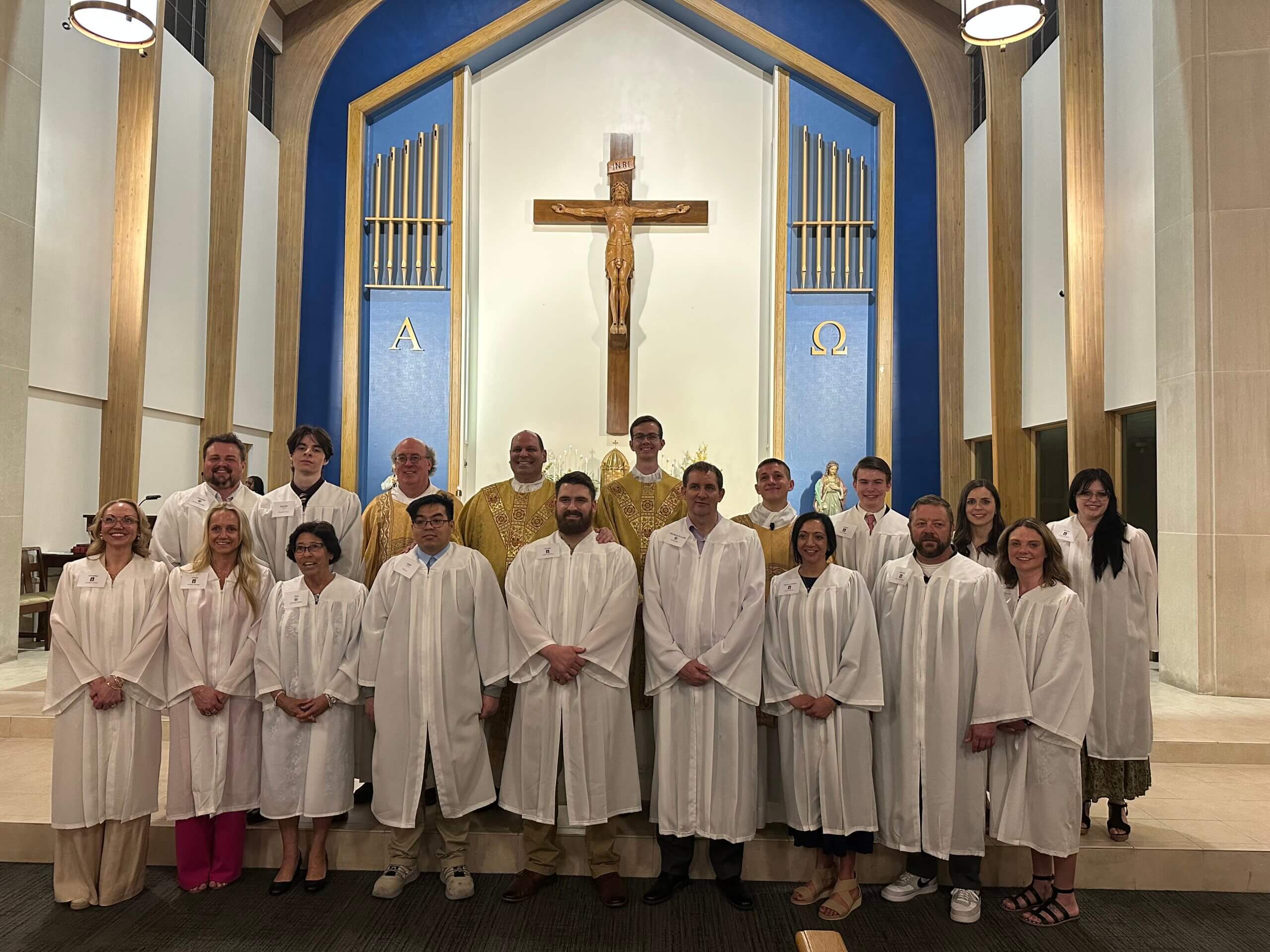
During the Easter Vigil, accept Baptism (if requisite), Confirmation, and Eucharist—the Sacraments of Commencement.

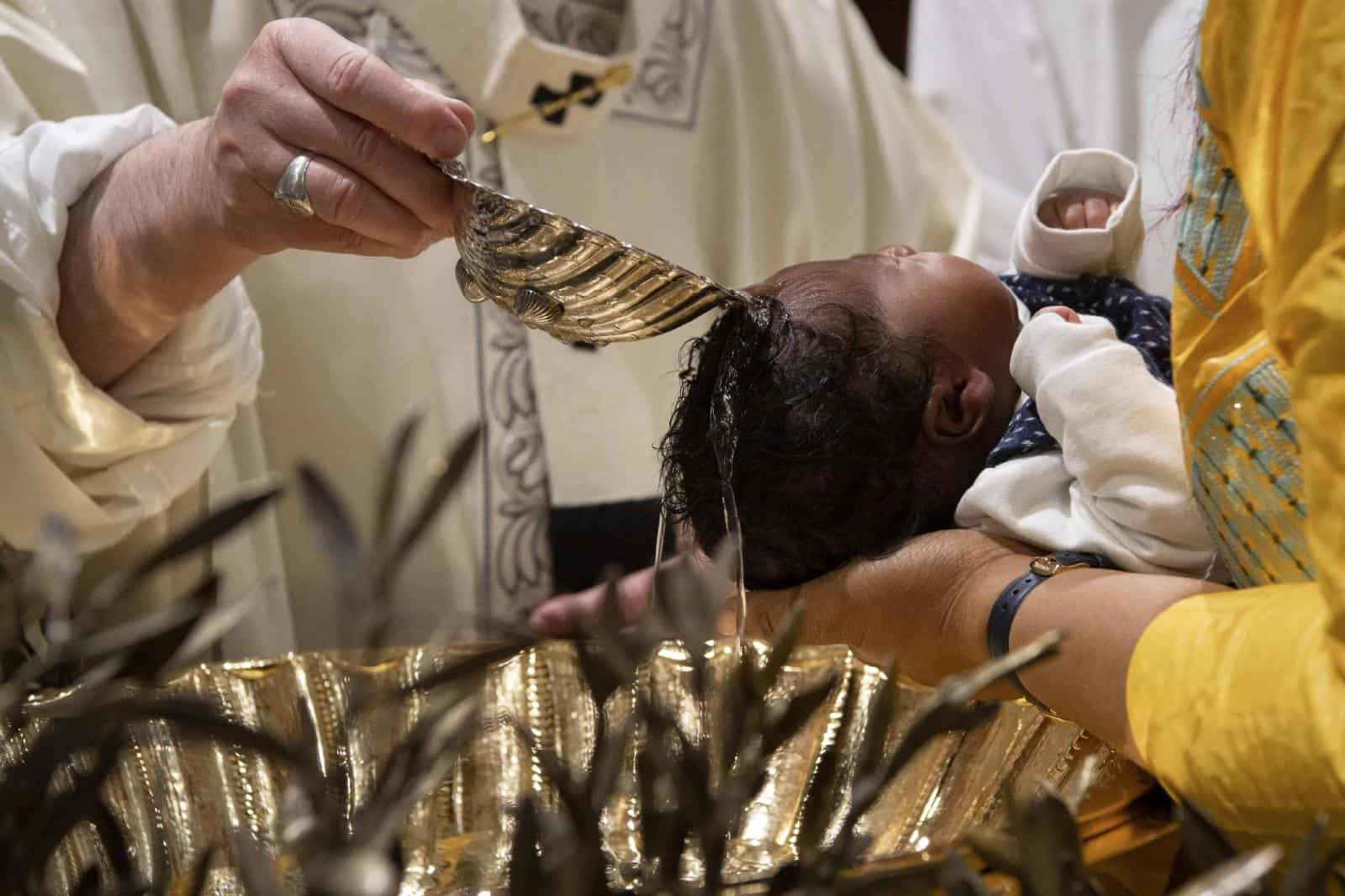
- Baptism: Represents demise to transgression and novel existence in Christ, executed via submersion or effusion.
- Confirmation: Unction with sacred oil summons the Holy Spirit's endowments for Christian adulthood.

- Eucharist: Initial Sacred Communion, partaking in Christ's Corpus and Sanguis.
For those legitimately baptized, a declaration of belief adequately suffices, succeeded by Confirmation and Eucharist.
Phase 5: Dedicate to Perpetual Doctrinal Advancement
Following commencement, partake in sustained erudition via scriptural inquiries, spiritual excursions, and sacraments such as Penance. Contribute to communal ministries to nurture progression and fellowship. Disciplines like diurnal orison, encompassing the Rosary, augment spiritual profundity.
Adaptations in the Procedure
The route diverges according to antecedents:
- For Baptized Christians: Abbreviated procedure, concentrating on Catholic-particular doctrines.
- For Unbaptized Adults: Complete OCIA encompassing all sacraments.
- For Juveniles: Neonatal baptism or age-suitable catechesis.
- For Reinstating Catholics: Absolution and rededication, sans comprehensive OCIA.
Exceptional instances, such as union with a Catholic, might entail validation.
Typical Obstacles and Resolutions
Obstacles encompass doctrinal variances, familial resistance, or temporal obligations. Mitigate these via discourse, solidarity collectives, and spiritual counsel. Endurance and supplication are crucial; numerous discover the procedure fortifies determination.
Common Inquiries Regarding How to Become Catholic
- Duration? Ordinarily 9-12 months, yet adaptable.
- OCIA Obligatory? Affirmative for adults, guaranteeing enlightened assent.
- Matrimonial Status? Antecedent unions necessitate appraisal; nullifications might be mandatory.
- Virtual Conversion? Negative; physical communal participation is vital.
- Expenses? Typically nil, although contributions are valued.
Assets for Your Trajectory
- Texts: "Rome Sweet Home" by Scott Hahn; Catechism of the Catholic Church.
- Portals: USCCB.org, Vatican.va.
- Applications: Hallow for orison; Formed.org for audiovisual content.
- Fellowships: Regional communities or digital platforms like Catholic Answers.
Final Remarks
Grasping how to become Catholic unveils a significant avenue of metamorphosis, erudition, and sacramental benevolence. By adhering to these delineated phases—from contemplation to sacramental acceptance and further—you can wholly assimilate into the Catholic Church. Initiate contact with your regional community presently to embark on this enriching expedition. For customized direction, reference official diocesan assets to guarantee conformity with your specifics.