How to Attend Traditional Latin Mass for Beginners: A Step-by-Step Guide
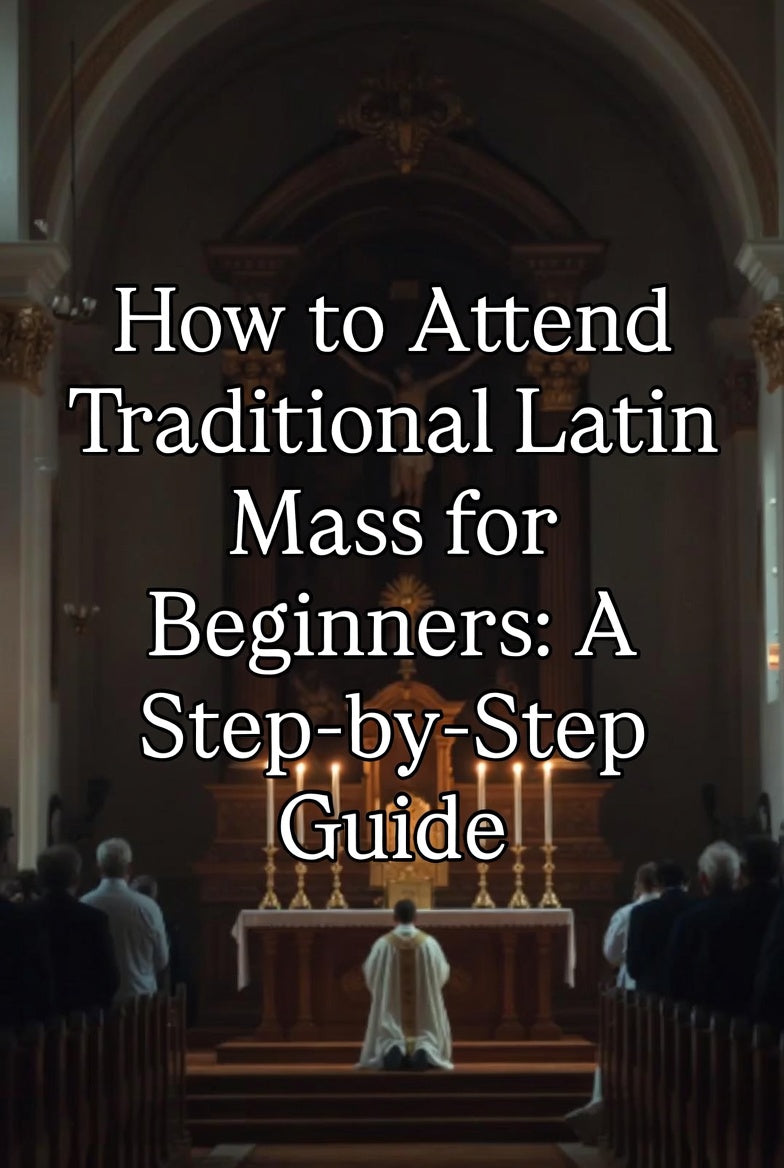
In the contemporary Catholic liturgical context of January 2026, an increasing number of individuals are expressing interest in the Traditional Latin Mass (TLM), alternatively referred to as the Tridentine Mass or the Extraordinary Form of the Roman Rite. For those seeking guidance on how to attend Traditional Latin Mass for beginners, this venerable form of worship provides a deep immersion into the Church's historical and spiritual heritage, featuring Latin as the liturgical language, Gregorian chant, and the priest's ad orientem posture. This expansive guide, informed by authoritative Catholic sources and practical insights, aims to equip novices with the knowledge necessary to participate reverently and meaningfully. Whether motivated by curiosity, a desire for contemplative prayer, or a connection to pre-Vatican II traditions, understanding the TLM can transform one's spiritual experience.
The Historical and Theological Significance of the Traditional Latin Mass
The Traditional Latin Mass has its origins in the early Christian era, evolving through centuries and codified by the Council of Trent (1545–1563) in response to the Protestant Reformation. Promulgated in the 1570 Missal by Pope St. Pius V, it remained the standard form of the Roman Rite until the introduction of the Novus Ordo Missae by Pope Paul VI in 1969 following the Second Vatican Council. The TLM emphasizes the sacrificial nature of the Mass, with the priest acting in persona Christi, offering the unbloody re-presentation of Calvary.
Key distinctions from the Novus Ordo include:
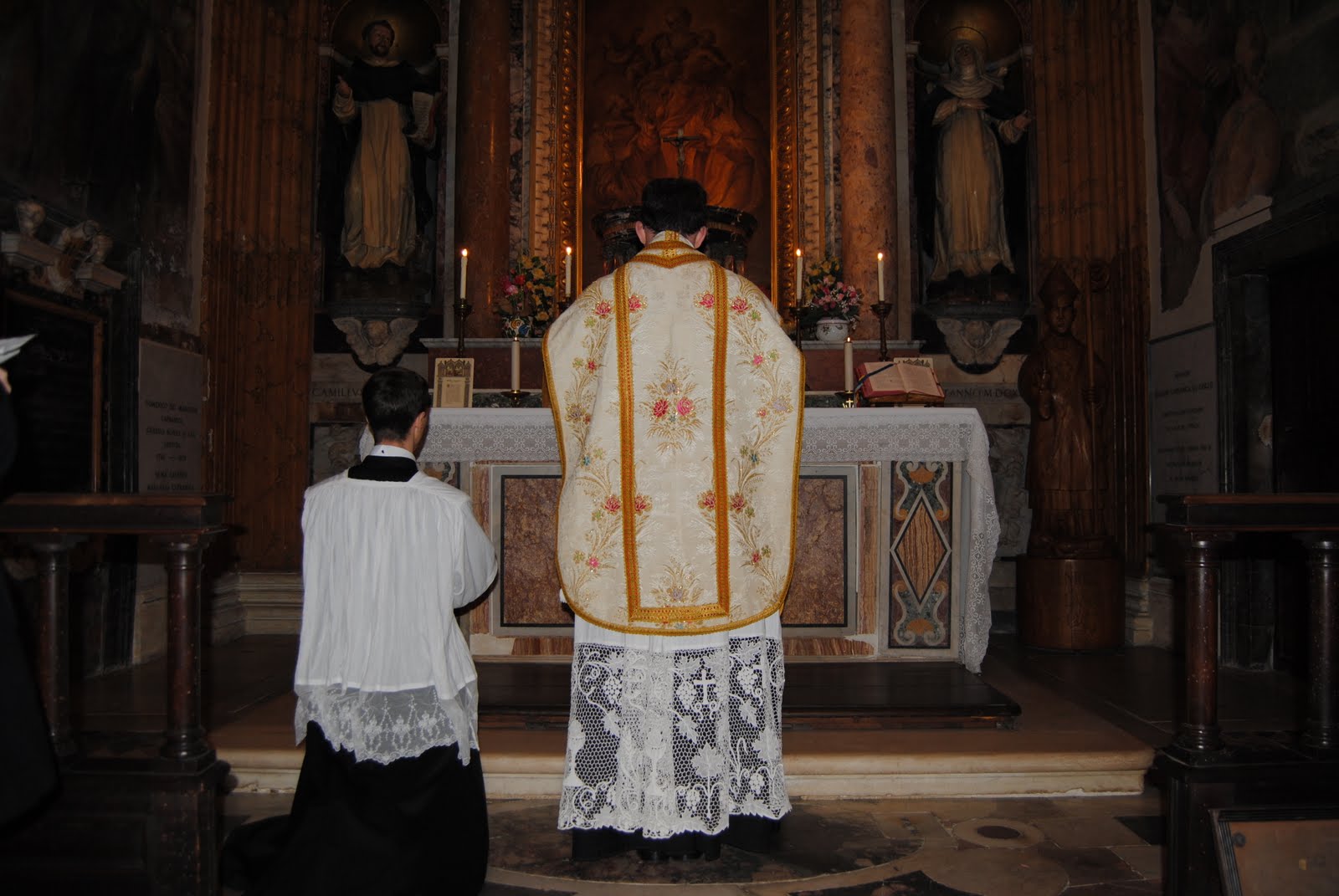
- Language and Orientation: Entirely in Latin, with the priest facing eastward (ad orientem) toward the tabernacle, symbolizing unity in worship directed toward God.
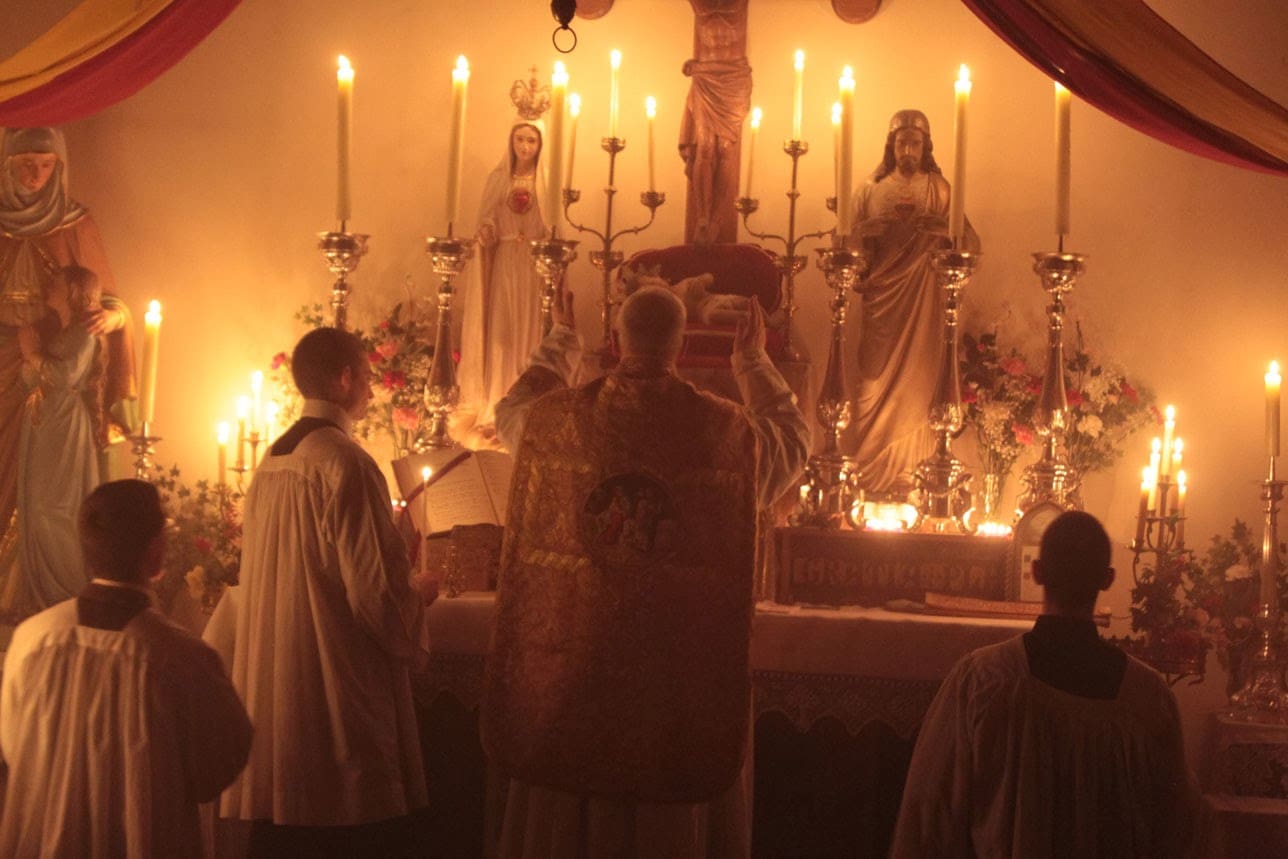
- Music and Atmosphere: Gregorian chant and polyphony predominate, fostering a contemplative, mystical ambiance.
- Participation Style: Active participation is interior and spiritual, uniting personal intentions with the priest's actions, rather than vocal responses.
In recent years, papal documents such as Summorum Pontificum (2007) by Pope Benedict XVI expanded access, while Traditionis Custodes (2021) by Pope Francis imposed restrictions, requiring episcopal permission. As of 2026, TLM availability persists in many dioceses, supported by societies like the Priestly Fraternity of St. Peter (FSSP) and the Institute of Christ the King Sovereign Priest (ICKSP).
Locating and Selecting a Traditional Latin Mass
Embarking on how to attend Traditional Latin Mass for beginners begins with finding a suitable venue. Utilize online directories such as the Latin Mass Directory or the websites of traditional societies to locate approved celebrations. Contact your local diocese for schedules, as permissions vary.
Consider the type of Mass:
- Low Mass: Spoken, without music; ideal for beginners due to its simplicity and shorter duration (45-60 minutes).
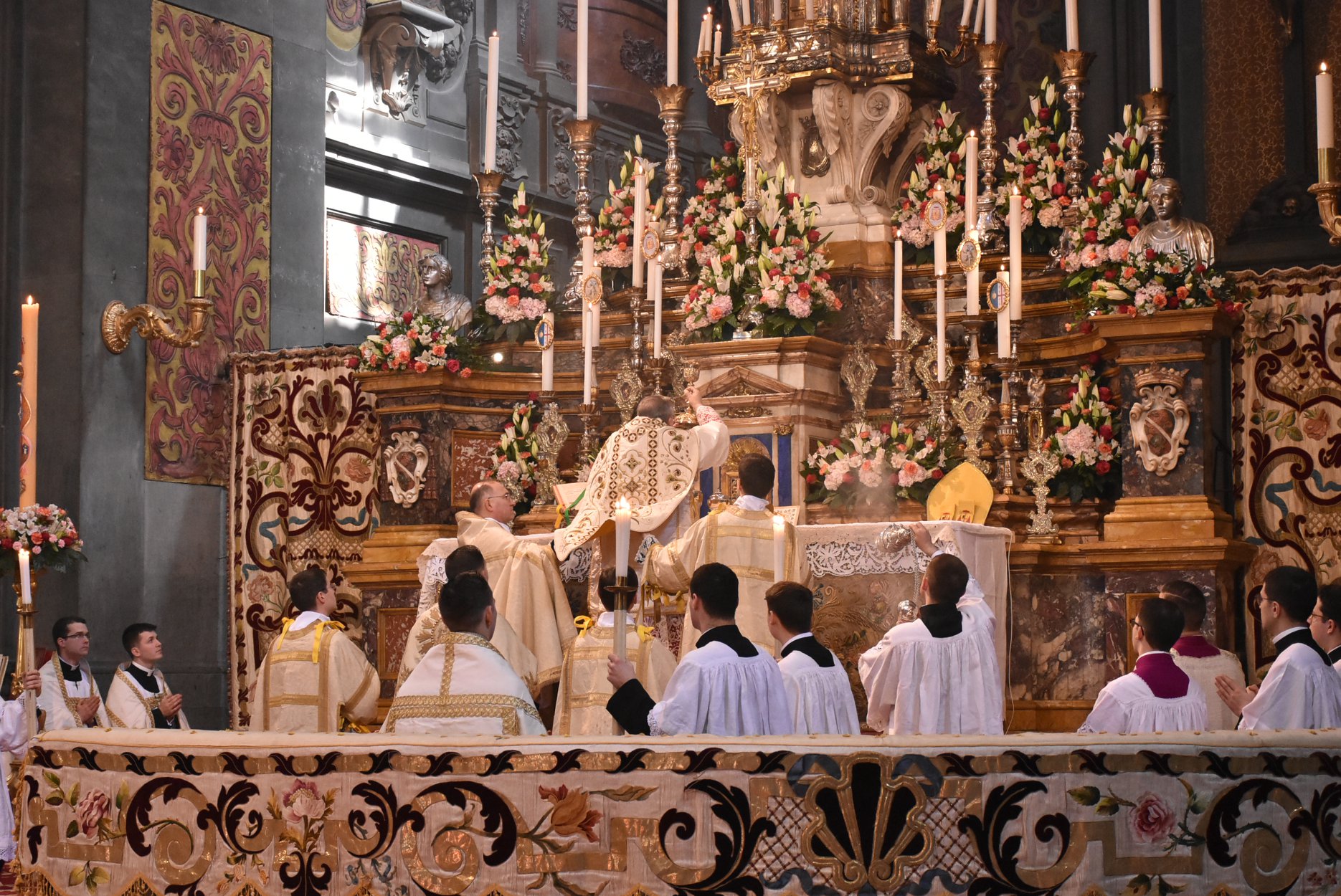
- High Mass (Missa Cantata): Sung with incense and chant; more elaborate, lasting 60-90 minutes.
- Solemn High Mass: Involves a deacon and subdeacon; rare but profoundly ceremonial.
Arrive 10-15 minutes early to observe the environment, secure a seat, and prepare mentally. If possible, attend with an experienced companion for guidance.
Comprehensive Preparation for Your First Attendance
Thorough preparation enhances the experience for those learning how to attend Traditional Latin Mass for beginners. Start by reviewing basic Catholic teachings on the Eucharist and sacrifice.
Attire and Modesty
Dress in a manner that reflects reverence: Men should wear suits, dress shirts with ties, or collared shirts with trousers; women are encouraged to don modest dresses or skirts below the knee, with optional head coverings such as mantillas, signifying humility before God. Avoid casual clothing to align with the sacred atmosphere.
Essential Tools and Resources
Acquire a 1962 Roman Missal with Latin-English translations, such as "The Beginner's Guide to the Traditional Latin Mass" by Derya Little or red booklet missals often provided at the church. Familiarize yourself with it beforehand. Apps like iMass or Universalis offer digital aids.
Study basic Latin phrases: "Dominus vobiscum" (The Lord be with you), "Et cum spiritu tuo" (And with your spirit). Watch introductory videos, such as "A Beginner's Guide to the Traditional Latin Mass" or "Watch THIS Before Your First LATIN MASS!" for visual orientation.
Spiritual Readiness
Ensure you are in a state of grace; consider Confession prior to attending. Approach with an open heart, embracing the mystery rather than seeking immediate comprehension.
:max_bytes(150000):strip_icc()/This_Is_My_Body-56a107b73df78cafdaa82a12.jpg)
Detailed Step-by-Step Participation During the Mass
The TLM follows a fixed structure, divided into the Mass of the Catechumens and the Mass of the Faithful. Below is an expanded walkthrough, integrating symbolic meanings.
- Asperges (Sprinkling Rite): In High Masses, the priest sprinkles holy water; stand and make the Sign of the Cross.
- Prayers at the Foot of the Altar: The priest and servers recite the Introit, Kyrie, and Confiteor. Kneel and unite your contrition.
- Gloria and Collect: Stand for the Gloria; sit for the Epistle.
- Gospel and Credo: Stand for both; the homily may follow in the vernacular.
- Offertory: Sit as the priest prepares the gifts; offer your intentions silently.
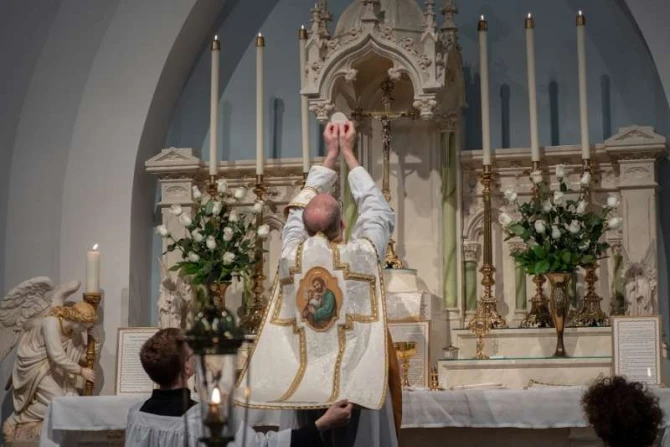
- Preface and Sanctus: Stand, then kneel for the Canon, the silent core where the Consecration occurs. Bells ring at the elevation—adore the Host and Chalice.
- Pater Noster and Agnus Dei: Stand for the Our Father; kneel afterward.
- Communion: Approach the rail kneeling, receive on the tongue without "Amen." Only practicing Catholics in grace should receive.
- Ablutions and Last Gospel: Kneel for post-Communion prayers; stand for the dismissal ("Ite Missa est").
- Leonine Prayers: Often recited afterward for the Church's intentions.
Interior participation involves meditative prayer; consider reciting the Rosary quietly, aligning with Marian devotion as promoted by Theotokos Rosaries.
Etiquette, Customs, and Common Pitfalls
Observe silence to preserve the contemplative nature. Mirror congregational postures: Stand for Gospels, kneel during Canon. Families with children should prepare them; quiet activities like following a children's missal are helpful.
Avoid: Vocal responses unless specified, moving during silent parts, or worrying about mistakes—focus on prayer.
Addressing Challenges and Enhancing the Experience
Beginners may feel overwhelmed by Latin or rubrics. Overcome this by repeated attendance and study; many report deepened faith. Join post-Mass discussions or TLM communities for support.
Expanded Frequently Asked Questions
- Do I need to know Latin? No; use a missal for translations. Proficiency develops over time.
- Is veiling mandatory for women? Traditional but not obligatory in most settings.
- How long is the Mass? Low: 45-60 minutes; High: 60-90 minutes.
- Can non-Catholics attend? Yes, but abstain from Communion.
- What about current restrictions? Verify with your diocese per Traditionis Custodes implementations.
- How does it differ symbolically? Parallels Christ's Passion: Entrance as Garden of Olives, Canon as Crucifixion.
- Tips for families? Use illustrated guides for children.
Resources for Deeper Engagement
- Books: "The Beginner's Guide to the Traditional Latin Mass" (Teacher's Guide available); "Treasure and Tradition" by Lisa Bergman.
- Websites: ReverentCatholicMass.com, LatinMassErie.org, USCCB resources.
- Videos/Podcasts: Taylor Marshall's "How to Attend Traditional Latin Mass 101"; YouTube guides for visual walkthroughs.
- Devotional Aids: Rosaries from Theotokos Rosaries for meditative prayer during Mass.
Conclusion
Navigating how to attend Traditional Latin Mass for beginners represents an invitation to a richer liturgical life, fostering spiritual growth through ancient rites. With preparation, patience, and practice, newcomers can fully embrace this form of worship. Begin by locating a Mass and attending with reverence; ongoing involvement will yield profound benefits. For further inquiries, engage local TLM communities or consult diocesan authorities.