Revival of the Latin Mass: Appeal to Contemporary Seekers

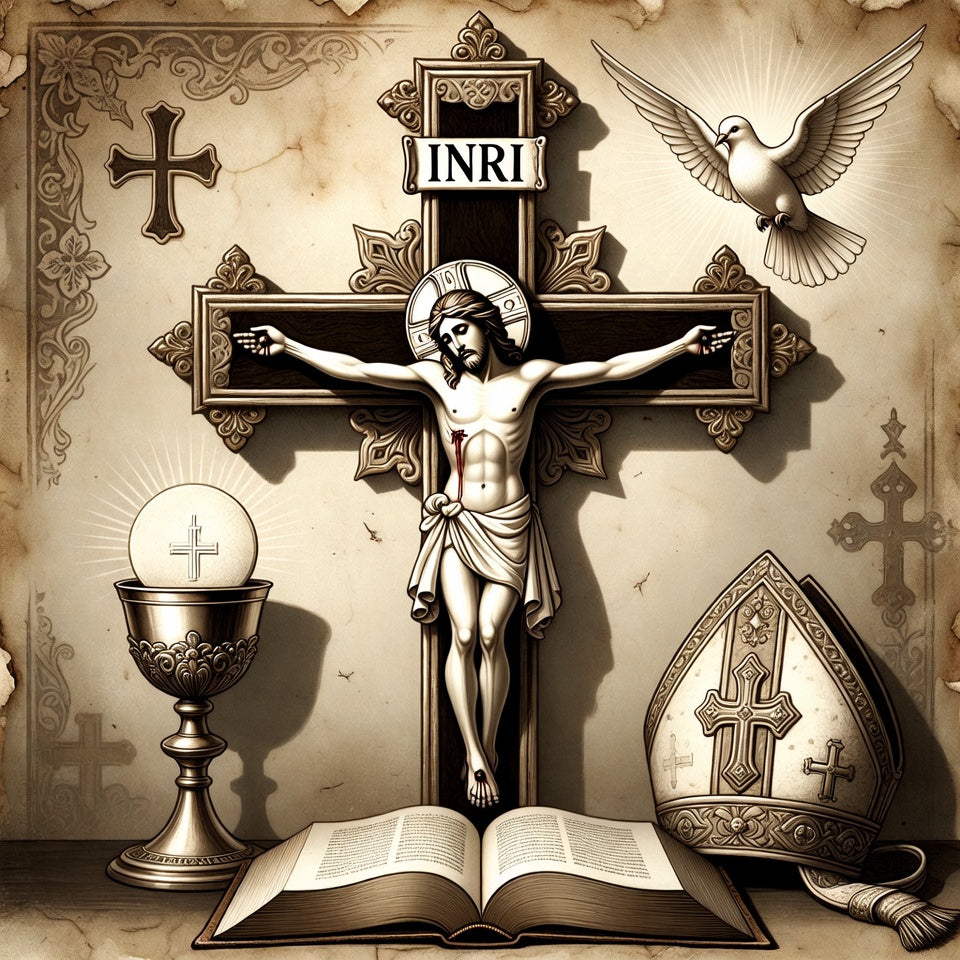
In the dynamic spiritual environment of January 2026, the revival of the Latin Mass—formally known as the Traditional Latin Mass (TLM) or Tridentine Rite—has emerged as a compelling phenomenon, particularly resonating with contemporary seekers, including millennials and Generation Z. This resurgence embodies a profound yearning for authenticity, ritualistic depth, and transcendent experiences in an era marked by rapid technological change, cultural relativism, and existential uncertainties. For individuals investigating the revival of the Latin Mass: appeal to contemporary seekers, this ancient liturgical form provides a gateway to the rich tapestry of Catholic tradition, attracting young adults through its aesthetic splendor, doctrinal clarity, and countercultural stance. This extensive guide delves into the historical foundations, prevailing trends as of 2026, underlying motivations for its popularity, personal narratives, engagement strategies, associated challenges, frequently posed inquiries, and curated resources, all substantiated by recent ecclesiastical developments and scholarly insights.
The Historical Foundations and Evolution of the Latin Mass
The Latin Mass's origins extend to the nascent stages of Christianity, with its formalized structure emerging from the apostolic era and progressively refined through patristic and medieval influences. By the 16th century, amid the Protestant Reformation's challenges, the Council of Trent (1545–1563) codified the rite in the Roman Missal of 1570, promulgated by Pope St. Pius V, to ensure uniformity and doctrinal integrity across the Catholic world. This Tridentine Mass, celebrated exclusively in Latin with the priest oriented ad orientem (facing eastward toward the altar), emphasized the sacrificial essence of the Eucharist and fostered a contemplative mode of participation.
The Second Vatican Council (1962–1965) introduced reforms via Sacrosanctum Concilium, leading to the Novus Ordo Missae in 1969 under Pope Paul VI, which incorporated vernacular languages and enhanced communal involvement to promote active participation. However, this transition sparked debates, with some perceiving a loss of sacred mystery. The revival gained traction in the late 20th century through groups advocating for the "Usus Antiquior" (ancient usage), culminating in Pope Benedict XVI's 2007 motu proprio Summorum Pontificum, which designated the TLM as the "Extraordinary Form" and facilitated its broader availability.
In subsequent years, Pope Francis's 2021 motu proprio Traditionis Custodes imposed restrictions, mandating episcopal oversight to mitigate perceived divisions and reaffirm Vatican II's liturgical reforms. By 2026, while adherence to these guidelines persists, the TLM endures in approved settings, supported by priestly societies such as the FSSP and the Institute of Christ the King Sovereign Priest (ICKSP). Initiatives like TAN Books' "Year of the Latin Mass" in 2026 further propel educational efforts, highlighting its enduring theological and aesthetic value.

Key Liturgical Elements That Define the Latin Mass
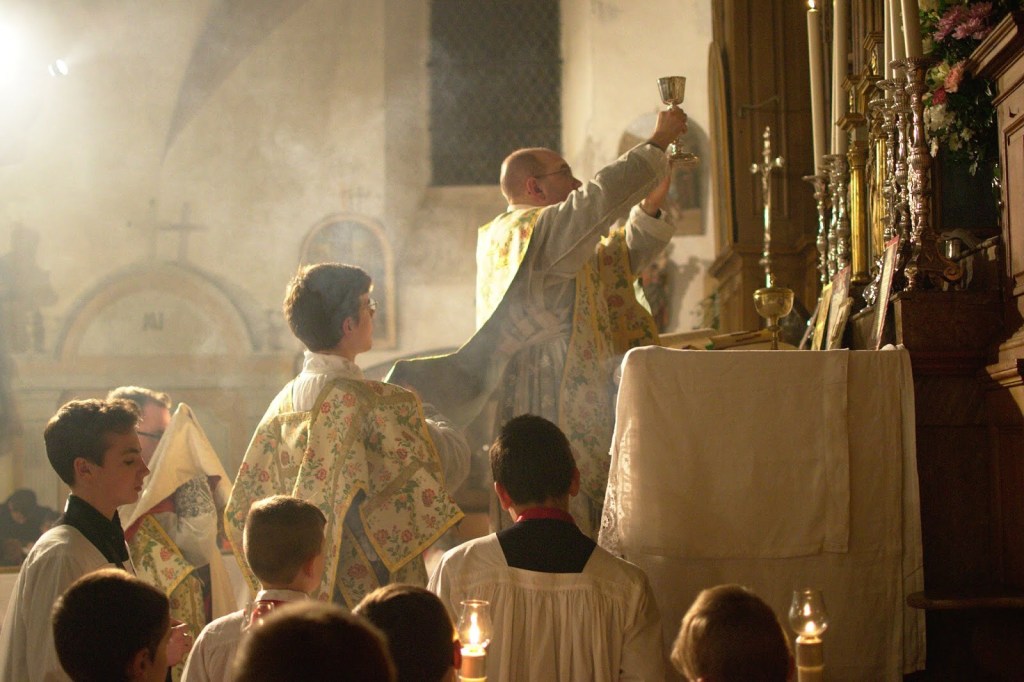
Distinct features include the exclusive use of Ecclesiastical Latin, Gregorian chant as the normative musical form, and a focus on interior prayer rather than external vocalization. The Canon's silence during the Eucharistic Prayer underscores the rite's mystical dimension, inviting participants into a profound encounter with the divine. These elements, preserved over centuries, contribute to its timeless allure.
Contemporary Trends and Statistical Insights in the Revival
As of 2026, the revival of the Latin Mass: appeal to contemporary seekers manifests through measurable growth, especially among younger demographics in regions like the United States, the United Kingdom, and parts of Europe. Surveys indicate that while only 2% of U.S. Catholic adults attend the TLM weekly, this cohort is disproportionately youthful, with significant increases in attendance among those under 40. In the UK, Catholics comprise 41% of Generation Z, surpassing Anglicans, with many gravitating toward traditional liturgies.
Events such as the FOCUS SEEK conference exemplify this trend, convening thousands of young Catholics for sessions on faith, service, and traditional worship, including Eucharistic adoration and elements of the Latin Mass. Papal emphases under Pope Leo XIV, including messages during the 2025 Holy Year and youth jubilees, encourage resistance to consumerism and a return to sacramental life, aligning with the TLM's ethos. Social media influencers and podcasts further amplify this, portraying the Latin Mass as a vibrant alternative to secular norms.
.jpg)
Global Perspectives and Emerging Patterns
Beyond Western contexts, the revival influences diverse communities, with reports of increasing interest in Latin America and Asia. Disruptive church trends for 2026, including surges in young attendance, underscore the TLM's role in broader faith renewals.
The Multifaceted Appeal to Contemporary Seekers
The revival of the Latin Mass: appeal to contemporary seekers stems from its ability to address modern spiritual voids. Primary attractions include:
Aesthetic and Transcendent Dimensions
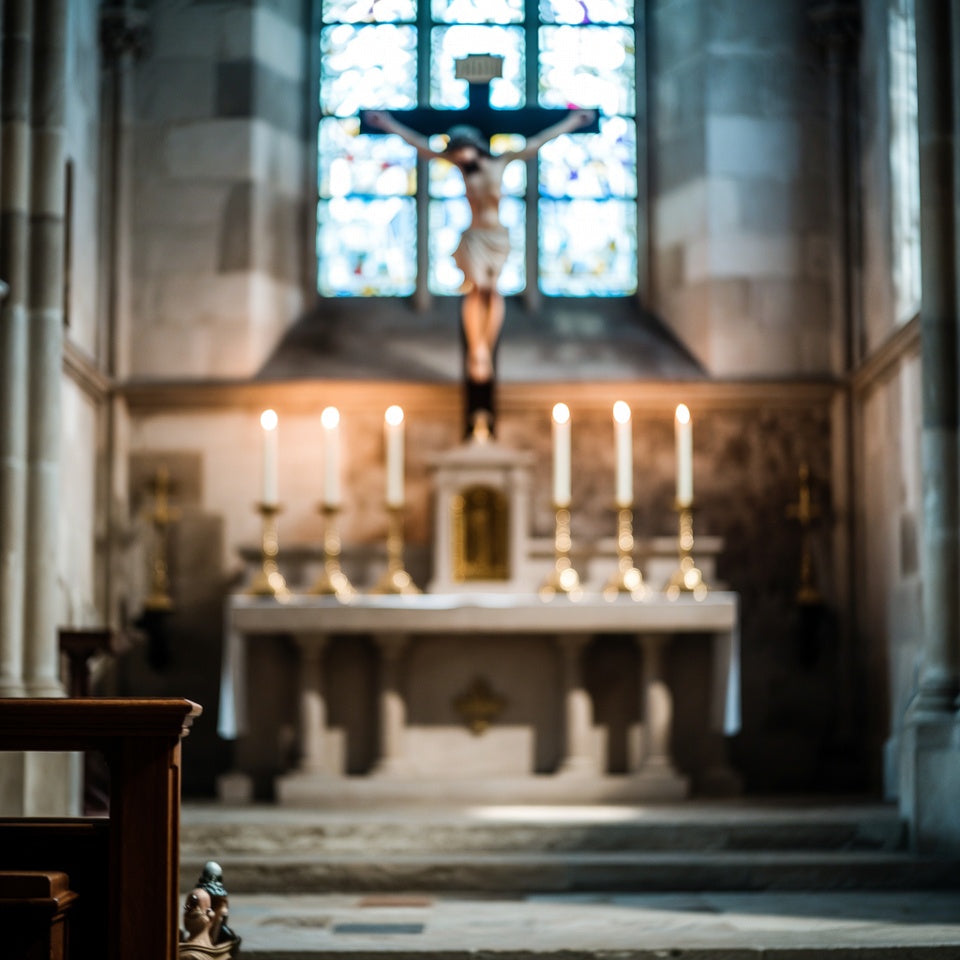
The rite's sensory elements—incense, chant, and ornate vestments—create an immersive experience of beauty, countering the prosaic nature of daily life. Young attendees often cite this as a pathway to encountering the divine, describing it as a "silent symphony" that elevates the soul.
Provision of Order Amid Chaos
In a world of fluid identities, the TLM's immutable structure offers certainty and moral grounding. Generation Z, shaped by digital noise, finds solace in its silence and historical continuity, viewing it as a bulwark against relativism.
Countercultural and Rebellious Allure
For many, embracing the Latin Mass represents a form of holy rebellion against secularism and consumerism, aligning with Pope Leo XIV's calls for service-oriented lives. It fosters a sense of exclusivity and commitment, appealing to those seeking profound holiness.
Community Building and Familial Integration
Vibrant TLM parishes attract families and converts, creating supportive networks that emphasize catechesis and communal devotion. Practices like incorporating the Rosary enhance personal meditation during the rite.


Personal Narratives and Testimonies from Seekers
Testimonies illuminate the revival's impact: A 22-year-old emphasizes its rebellious beauty as a "shortcut to holiness." Young families report spiritual renewal despite Vatican scrutiny. At SEEK events, participants share how traditional elements ignite hope. Clergy like Cardinal Burke note youth flocking to the TLM for its fidelity to Vatican II's spirit, albeit in traditional form. Converts highlight its role in overcoming modern unease through structured silence.
Strategies for Engagement in the Latin Mass Revival
To partake in the revival of the Latin Mass: appeal to contemporary seekers, locate approved venues via the Latin Mass Directory or diocesan resources. Begin with a Low Mass for familiarity, utilizing a 1962 Missal. Join communities through FSSP or ICKSP parishes, or attend youth-focused events like SEEK. For practical guidance, refer to our detailed article: How to Attend Traditional Latin Mass for Beginners.
Navigating Challenges and Controversies
Challenges include regulatory constraints from Traditionis Custodes, aimed at unity but criticized for limiting access. Debates persist on whether the TLM fosters division or evangelization, with proponents like Cardinal Burke advocating restoration.
Expanded Frequently Asked Questions
- What drives the revival? A quest for timeless rituals in chaotic times.
- Who primarily attends? Young adults, families, and converts valuing depth.
- Is the Latin Mass permitted? Yes, under episcopal supervision.
- Key differences from Novus Ordo? Emphasis on Latin, silence, and mystery.
- Suitable for beginners? Yes, with preparatory resources.
- Role in broader Church trends? Contributes to youth surges in attendance.
Curated Resources for Deeper Inquiry
- Books: "The Beginner's Guide to the Traditional Latin Mass"; TAN's 2026 series.
- Websites: CatholicExchange.com; OSV News for trends.
- Podcasts/Videos: Taylor Marshall's discussions; "Why Young Catholics Are Flocking to Orthodoxy and the Traditional Latin Mass."
- Devotionals: Rosaries from Theotokos Rosaries for enhanced meditation during the Mass.
Conclusion
The revival of the Latin Mass: appeal to contemporary seekers represents a significant ecclesiastical movement in 2026, bridging ancient wisdom with modern aspirations for meaning. Through its ritualistic depth and communal bonds, it offers a pathway to spiritual fulfillment. Contemporary seekers are encouraged to explore local celebrations, fostering personal and collective renewal. For additional insights, engage with authoritative Church documents and communities.