How to Attend Holy Mass for Beginners in Poland
In Poland, a nation where Catholicism remains a profound cultural and spiritual pillar, with approximately 71% of the population identifying as Catholic and around 29.6% attending Sunday Mass in 2024, many individuals—whether locals rediscovering their faith, expatriates, or international visitors—are eager to learn how to attend Holy Mass for beginners. This guide, tailored specifically for the Polish context, offers an in-depth exploration of the process, from historical background to practical steps, etiquette, and resources. Drawing on Church teachings and local customs, it aims to provide beginners with the confidence to participate reverently in the Holy Mass, or "Msza Święta," a central rite commemorating Christ's sacrifice and fostering communal unity.
The Historical and Cultural Significance of Holy Mass in Poland
To fully appreciate how to attend Holy Mass for beginners in Poland, one must understand its deep-rooted history. Catholicism arrived in Poland in the 10th century with the baptism of Duke Mieszko I in 966, marking the nation's Christian foundation. Over centuries, the Church has played a pivotal role in Polish identity, resisting partitions, Nazi occupation, and communist rule. Figures like Saint John Paul II, a native Pole and former Pope, emphasized the Mass as a source of spiritual resilience, famously stating that "the Eucharist is the source and summit of the Christian life."
In contemporary Poland, despite a gradual decline in overall religiosity—evidenced by a drop in religion class participation to 75.6% in the 2024-2025 school year—the slight rise in Sunday Mass attendance to 29.6% in 2024 indicates a stabilization post-COVID. This reflects the enduring cultural integration of the Mass, often intertwined with national holidays like Corpus Christi processions or pilgrimages to sites such as Jasna Góra Monastery in Częstochowa, home to the Black Madonna icon.


These events draw millions annually, blending faith with Polish heritage.
Variations of the Holy Mass in Poland: Novus Ordo vs. Traditional Forms
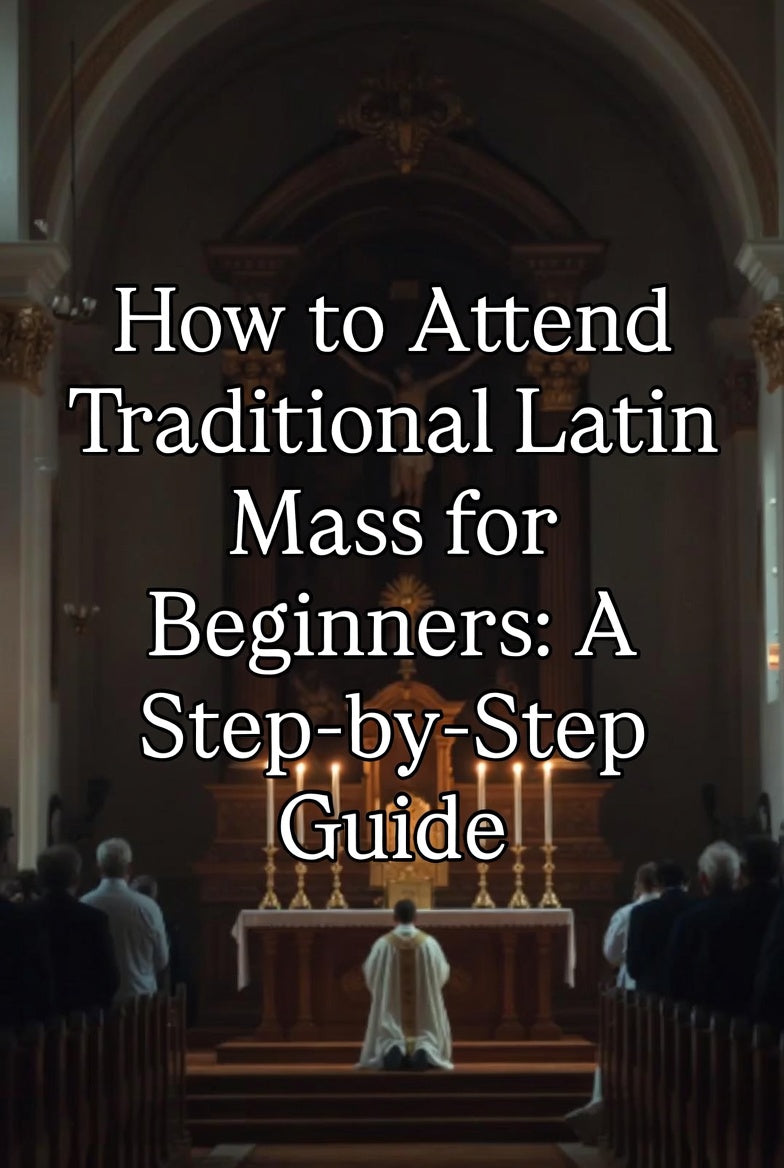
Poland predominantly celebrates the Novus Ordo Mass, established after Vatican II, conducted in Polish with active congregational participation. However, the Traditional Latin Mass (Msza Trydencka), or Tridentine Rite, persists in select parishes, such as those affiliated with the Priestly Fraternity of St. Peter in cities like Warsaw and Kraków, subject to diocesan approval following papal directives like Traditionis Custodes.
For beginners, the Novus Ordo is more accessible, featuring vernacular language and communal responses. In contrast, the Traditional form emphasizes Latin, silence, and interior contemplation, appealing to those seeking historical authenticity. English-language Masses, ideal for visitors, are available in urban areas, bridging cultural gaps.
Locating a Holy Mass in Poland: Practical Tips for Beginners
Navigating how to attend Holy Mass for beginners starts with finding a suitable location. Poland boasts over 10,000 parishes, with Masses held daily but peaking on Sundays. Utilize digital tools like the Msza.info app or the Polish Episcopal Conference website (episkopat.pl) for schedules. Popular sites for visitors include:
- Warsaw: St. Paul's English Speaking Catholic Parish offers English Masses on Sundays at 13:30 and 19:00. Other notable churches are St. Anne's Church and the Field Cathedral of the Polish Army.
- Kraków: St. Mary's Basilica on the Main Square is open to visitors daily from 11:30 AM to 6:00 PM, with English Masses at St. Giles' Church (Kościół św. Idziego) on Grodzka Street.
- Gdańsk: St. Mary's Church, one of Europe's largest brick churches.
- Częstochowa: Jasna Góra Monastery for pilgrimage Masses.
- Other Highlights: Wawel Cathedral in Kraków, Pelplin Cathedral, and Gniezno Cathedral, the nation's oldest.
For tourists, avoid peak holiday times like Easter when crowds surge. English services are common in expat-heavy areas, often on Sunday afternoons. Arrive 10-15 minutes early to secure seating and absorb the atmosphere.
Thorough Preparation for Your First Holy Mass
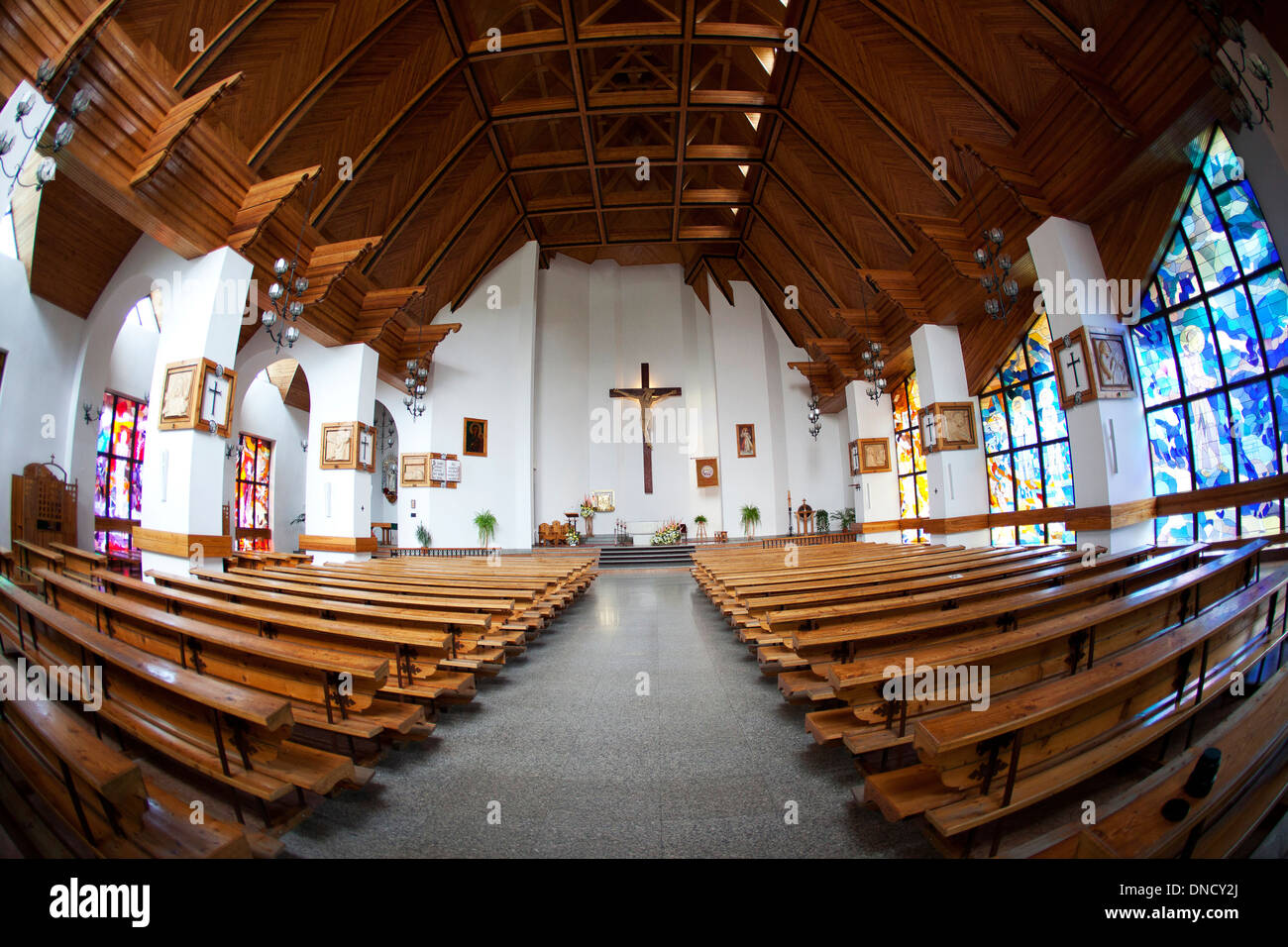
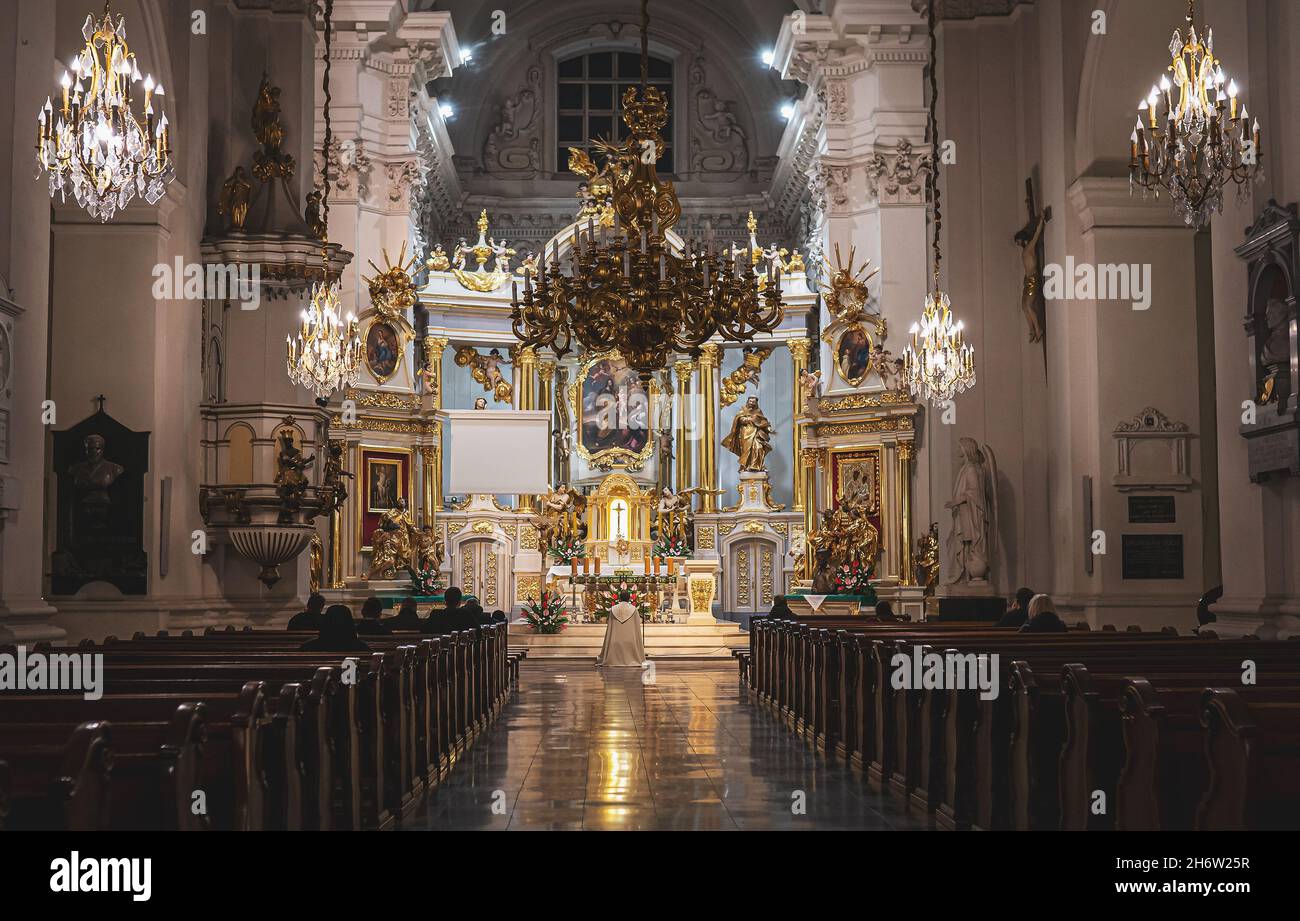
Preparation is essential for a meaningful experience. Begin with spiritual readiness: Reflect on the Mass's purpose and, if Catholic, ensure a state of grace through Confession (Spowiedź Święta). Observe the one-hour Eucharistic fast.
Attire should convey respect, aligning with Polish norms: Modest clothing, such as dresses or skirts for women and collared shirts for men. In traditional settings, women may wear head coverings. Bring a missal, rosary for personal prayer, or apps like Universalis for bilingual readings. For devotion, consider a rosary from Theotokos Rosaries to meditate on the mysteries during quieter moments.
Familiarize yourself with basic Polish phrases: "Pan z wami" (The Lord be with you) and "I z duchem twoim" (And with your spirit).
Detailed Step-by-Step Guide to Participating in the Holy Mass
The Mass, lasting 45-60 minutes, comprises two main parts: Liturgy of the Word and Liturgy of the Eucharist. Here's an expanded walkthrough:
Liturgy of the Word
- Entrance Procession: Stand as the priest enters; make the Sign of the Cross.
- Greeting and Penitential Act: Confess sins via the Confiteor; in Poland, this may include a moment of silence.
- Gloria and Collect: Recite or sing the Gloria on Sundays.
- Readings: Sit for the First Reading (often Old Testament), Responsorial Psalm, and Second Reading (Epistles). Stand for the Gospel, proclaimed by the priest or deacon.
- Homily: Sit and listen; sermons often address social issues in Polish context.
- Creed and Prayer of the Faithful: Stand for the Nicene Creed; kneel or stand for intercessions.
Liturgy of the Eucharist
- Offertory: Sit as bread, wine, and offerings are prepared; a collection basket may pass.
- Eucharistic Prayer: Stand for the Preface, then kneel for the Consecration—bells ring as the elements become Christ's Body and Blood.
- Our Father: Stand and recite; in Poland, hold hands or extend arms.
- Sign of Peace: Offer a bow, handshake, or "Pokój z tobą" (Peace be with you).
- Communion: Approach reverently; receive on the tongue or in cupped hands, responding "Amen." Only practicing Catholics should partake.
- Concluding Rites: Stand for the final prayer and blessing; exit after the recessional hymn.
Polish Masses may feature hymns like "Bogurodzica," the nation's oldest song.


Etiquette, Customs, and Cultural Nuances in Polish Masses
Polish etiquette emphasizes reverence: Maintain silence upon entering, genuflect before the tabernacle, and avoid distractions like phones or gum. Customs include:
- Holy Days: Processions on Corpus Christi or blessings on Holy Saturday (święconka).
- Funerals and Weddings: Follow specific rites, like prayers at gravesides.
- Family Involvement: Children are integrated; teach them postures.
As a tourist, respect by not photographing during services and visiting between Masses.
Overcoming Common Challenges for Beginners in Poland
Language may pose barriers; counter this with bilingual missals or English Masses. Cultural formality can intimidate—remember Poles are hospitable. If with children, prepare them to stay quiet. For deeper engagement, join post-Mass gatherings.
Personal tips from attendees: "Start with observation; the ritual's beauty unfolds over time." Focus on prayer, using a rosary for contemplation.
Expanded Frequently Asked Questions
- What are typical Mass times? Weekdays 6-8 AM or evenings; Sundays from 7 AM to late afternoon.
- Can non-Catholics receive Communion? No, but all may attend and receive a blessing.
- English Masses availability? Yes, in Warsaw, Kraków, and Gdańsk.
- Costs involved? Free, but donations support parishes.
- Handling children? Welcome; use illustrated books.
- Tourist behavior? Quiet, no disruptions; tour after services.
- Differences in Traditional Mass? More Latin, silence; check for permissions.
- Holy Days obligations? Attend on feasts like Christmas or Assumption.
Extensive Resources for Further Exploration
- Books: "Catechism of the Catholic Church" (Polish: "Katechizm Kościoła Katolickiego"); "The Mass Explained" by James Socias.
- Websites: Episkopat.pl; NotesfromPoland.com for cultural notes.
- Apps: Msza Święta for schedules; Hallow for prayers in English/Polish.
- Local Organizations: Join pilgrimages via JasnaGora.pl; Theotokos Rosaries for devotional items.
- Communities: Expat groups on Facebook or Reddit for English Mass tips.
Conclusion
Embracing how to attend Holy Mass for beginners in Poland not only enriches personal spirituality but also connects one to a millennia-old tradition woven into the nation's fabric. With this extensive guide, from historical insights to practical etiquette, beginners can approach the Mass with assurance. Initiate your journey by visiting a local parish or pilgrimage site—whether in bustling Warsaw or serene Częstochowa—and allow the experience to foster deeper faith. For tailored advice, consult local clergy or resources dedicated to Polish Catholicism.