
What Is First Holy Communion? A Sacred Catholic Milestone

In the quiet hush of a parish church, a young soul approaches the altar for the first time, heart aflame with anticipation. This moment, known as First Holy Communion, marks the child's initial reception of the Sacrament of Holy Eucharist, where Our Lord Jesus Christ becomes truly present under the appearances of bread and wine. As faithful Catholics, we recognize this as a profound encounter with divine grace, drawing the young faithful into deeper union with Christ and His Church. Rooted in sacred Scripture and the unchanging teachings of the Magisterium, First Holy Communion is not merely a rite of passage but a gateway to eternal life. In this article, we delve into its meaning, historical foundations, preparation, and enduring spiritual significance, all viewed through the lens of traditional Catholic doctrine.
The Profound Meaning of First Holy Communion
First Holy Communion represents the culmination of a child's early sacramental journey, following Baptism and often First Reconciliation. It is the moment when, having reached the age of reason, the child receives the Body, Blood, Soul, and Divinity of Jesus Christ in the Eucharistic sacrament. The Catechism of the Catholic Church teaches that the Eucharist is the "source and summit of the Christian life," nourishing the soul with graces essential for sanctity and perseverance in virtue.
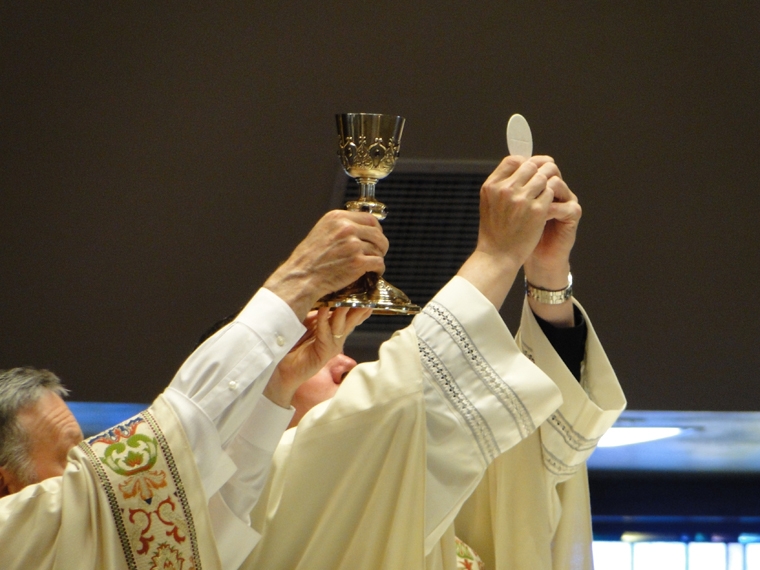
At its core, the Sacrament of Holy Eucharist commemorates the Last Supper, where Christ instituted this mystery, saying, "This is my body which will be given for you; do this in memory of me" (Luke 22:19). Through the words of consecration spoken by the priest, ordinary bread and wine are transubstantiated into the Real Presence of Christ, as affirmed by the Fourth Lateran Council in 1215. This doctrine, upheld by the Church Fathers like St. Ignatius of Antioch and St. Ambrose, underscores that receiving Holy Communion is an act of intimate communion with God, fortifying the recipient against sin and fostering moral virtues.
For children, this first reception is a milestone of faith formation. It invites them to embrace Eucharistic devotion as a lifelong practice, echoing the words of St. Thomas Aquinas: "The Eucharist is the sacrament of love; it signifies love, it produces love." In traditional Catholic understanding, it imparts sanctifying grace, uniting the soul more closely to the Mystical Body of Christ and preparing it for the trials of earthly pilgrimage toward heaven.
Scriptural Foundations of the Eucharistic Sacrament
The Holy Scriptures provide the divine blueprint for the Sacrament of Holy Eucharist, revealing God's plan for nourishing His people with heavenly food. In the Old Testament, we see prefigurations such as the manna in the desert (Exodus 16), which sustained the Israelites during their exodus—a type of the true Bread from Heaven that Christ would offer.
The Gospel of St. John offers the most explicit teaching on this sacrament. In John 6:51-58, Our Lord declares: "I am the living bread that came down from heaven; whoever eats this bread will live forever; and the bread that I will give is my flesh for the life of the world." When the Jews questioned this, Jesus intensified His words: "Amen, amen, I say to you, unless you eat the flesh of the Son of Man and drink his blood, you do not have life within you." This discourse, often called the Bread of Life sermon, is interpreted by the Church as a direct reference to the Eucharist, where Christ's flesh and blood are truly consumed for eternal life. The Church Fathers, including St. Cyril of Alexandria, emphasized that this eating is literal, not merely symbolic, as it imparts divine life to the soul.
Papal encyclicals, such as Pope Leo XIII's Mirae Caritatis (1902), reaffirm this scriptural truth, urging the faithful to frequent reception of Holy Communion to combat the world's ills. For young souls preparing for First Holy Communion, meditating on these verses fosters a profound reverence for the Eucharistic sacrament, teaching them that receiving Jesus is the ultimate act of faith and love.
Historical Development in the Catholic Church
The practice of First Holy Communion has evolved under the guidance of the Holy Spirit, always preserving the Church's apostolic traditions. In the early Church, infants received the Eucharist immediately after Baptism, as evidenced in Eastern rites that continue this custom today. However, in the Latin West, by the Middle Ages, the age for First Communion shifted, often requiring children to reach adolescence.
A pivotal moment came with the Fourth Lateran Council (1215), convened by Pope Innocent III. Canon 21 mandated annual confession and reception of Holy Communion during the Easter season for all who had reached the age of discretion, emphasizing the necessity of the sacraments for spiritual health. This decree combated laxity in sacramental life and reinforced Eucharistic devotion.
Centuries later, Jansenist influences delayed First Communion, insisting on extensive knowledge before reception. Pope St. Pius X addressed this in his 1910 decree Quam Singulari, restoring the ancient practice by allowing children to receive at the age of reason—typically around seven years—provided they distinguish the Eucharist from ordinary bread and approach with devotion. Pius X, known as the "Pope of the Eucharist," drew from patristic writings and councils to argue that early reception protects children from corruption and unites them early with Christ. This reform, approved by the Sacred Congregation of the Discipline of the Sacraments, remains a cornerstone of traditional Catholic First Communion practices.
In modern times, the Vatican has reiterated the importance of proper order: First Reconciliation before First Holy Communion, ensuring children approach the altar in a state of grace. These historical milestones affirm the Church's unwavering commitment to nurturing young souls through the Eucharistic sacrament.

Preparation for First Holy Communion: A Family and Parish Endeavor
Preparation for First Holy Communion is a sacred duty entrusted primarily to parents, as the domestic church, supported by catechists and priests. The Church requires that children receive sufficient catechesis to understand the mystery of Christ according to their capacity, as outlined in the Code of Canon Law (can. 913).
Traditional First Communion catechism, such as the New Saint Joseph First Communion Catechism, covers essential truths: the Trinity, the Incarnation, the Real Presence, and the need for a state of grace. Lessons emphasize prayer, Scripture, and moral virtues, often spanning a year or more. Children learn to examine their conscience, confess sins, and approach the altar with humility.
Parents play a vital role by modeling faith through regular Mass attendance, family prayer, and discussions on Eucharistic devotion. Resources like the Compendium of the Catechism highlight that preparation involves fostering dispositions of recollection and fasting. Retreats and practices, such as those described in parish guidelines, help children internalize the sacrament's graces.
In traditional Catholic settings, emphasis is placed on the child's spiritual readiness over mere age. Pope Pius X warned against delaying reception, noting it deprives young souls of protection against worldly dangers. Thus, First Communion preparation is not just instructional but formative, cultivating a lifelong love for the Blessed Sacrament.
The Ceremony of First Holy Communion: Traditions and Reverence
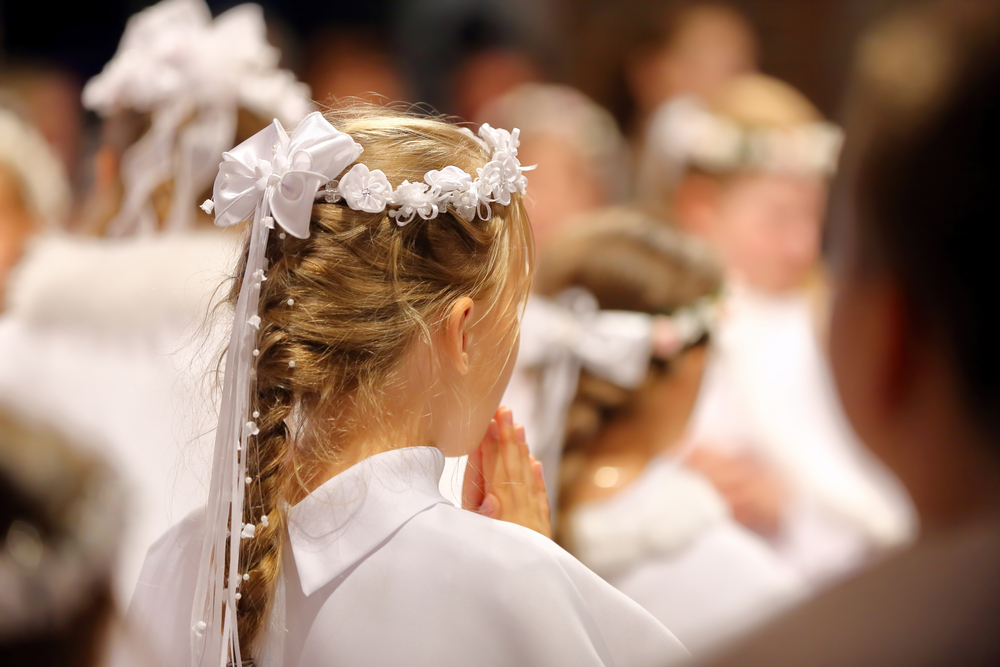
The day of First Holy Communion is steeped in solemnity and joy, reflecting the Church's bridal imagery. Children, dressed in white to symbolize purity—girls in veils and dresses, boys in suits—process into the church, often carrying candles or rosaries as signs of faith.
The Mass follows the Roman Rite, with the Liturgy of the Word proclaiming Scriptures like John 6, and the Liturgy of the Eucharist culminating in the consecration. As the children approach the altar, they receive the Host on the tongue, responding "Amen" to the priest's words: "The Body of Christ." This act of receiving Holy Communion fosters profound Eucharistic devotion, as they kneel in thanksgiving afterward.
Traditional customs include family celebrations with blessed gifts like scapulars or missals, reinforcing the sacrament's graces. The Church encourages ongoing participation, with annual mandates from the Fourth Lateran Council ensuring fidelity. In essence, the ceremony is a foretaste of the heavenly banquet, drawing families closer to Christ.
Fostering Lifelong Eucharistic Devotion After First Communion
First Holy Communion is but the beginning of a lifelong journey in Eucharistic sacrament. The graces received empower children to live virtuously, resisting temptation and growing in holiness. St. John Chrysostom exhorted the faithful to approach the Eucharist frequently, as it unites us to Christ and one another.
Parents and catechists must nurture this devotion through Adoration, Benediction, and daily spiritual communion. Papal documents like Quam Singulari stress that early reception instills moral strength. In a world beset by secularism, traditional Catholic First Communion serves as a bulwark, reminding us of Christ's promise: "Whoever eats my flesh and drinks my blood remains in me and I in him" (John 6:56).
By integrating prayer and sacraments into family life, we honor the Church's call to sanctity, ensuring that the seeds planted at First Communion bear fruit unto eternal life.

Conclusion: Embrace the Gift of the Eucharist
Dear readers, as we contemplate the sublime mystery of First Holy Communion, let us renew our own commitment to the Sacrament of Holy Eucharist. May parents guide their children with piety, catechists teach with fidelity to tradition, and all faithful approach the altar with hearts aflame. Invoke the intercession of the Blessed Virgin Mary, Mother of the Eucharist, and the saints to deepen your devotion. Attend Mass devoutly, confess regularly, and receive Our Lord worthily, for in Him we find the path to heaven. Glory be to Jesus in the Most Blessed Sacrament!


